ON Australian farms, children are often front and centre – in the ute, in the yards, in the workshop and in the moment.
But today, as part of National Farm Safety Week, Farmsafe Australia is shining a spotlight on what may be one of the most underdiscussed risks in agriculture: on-farm child safety.
Farmsafe chair Felicity Richards said farming is a family-centred lifestyle.
“That’s something to be proud of, but without safe systems in place, the very presence of children in day-to-day farm work can introduce risks that families don’t always see coming until something goes wrong,” she said.
Mrs Richards, herself a mother of young children, says it’s not uncommon for farming parents to manage complex operations while also juggling toddler nap times, school pickups and newborn feeds.
But while that’s a reality of life on the land, it’s not an excuse to cut corners on child safety.
“Children are curious, fast, and unpredictable,” Mrs Richards said.
“And most near misses happen in that exact window – when you just looked away, just hopped on a machine, or just stepped into the yard for a moment.
“We all know that feeling; it’ll only take a second. But everything can change in a second.”
The 2025 Safer Farms Report, released this week and sponsored by WFI, includes data pointing to near-misses, injuries and fatalities involving children.


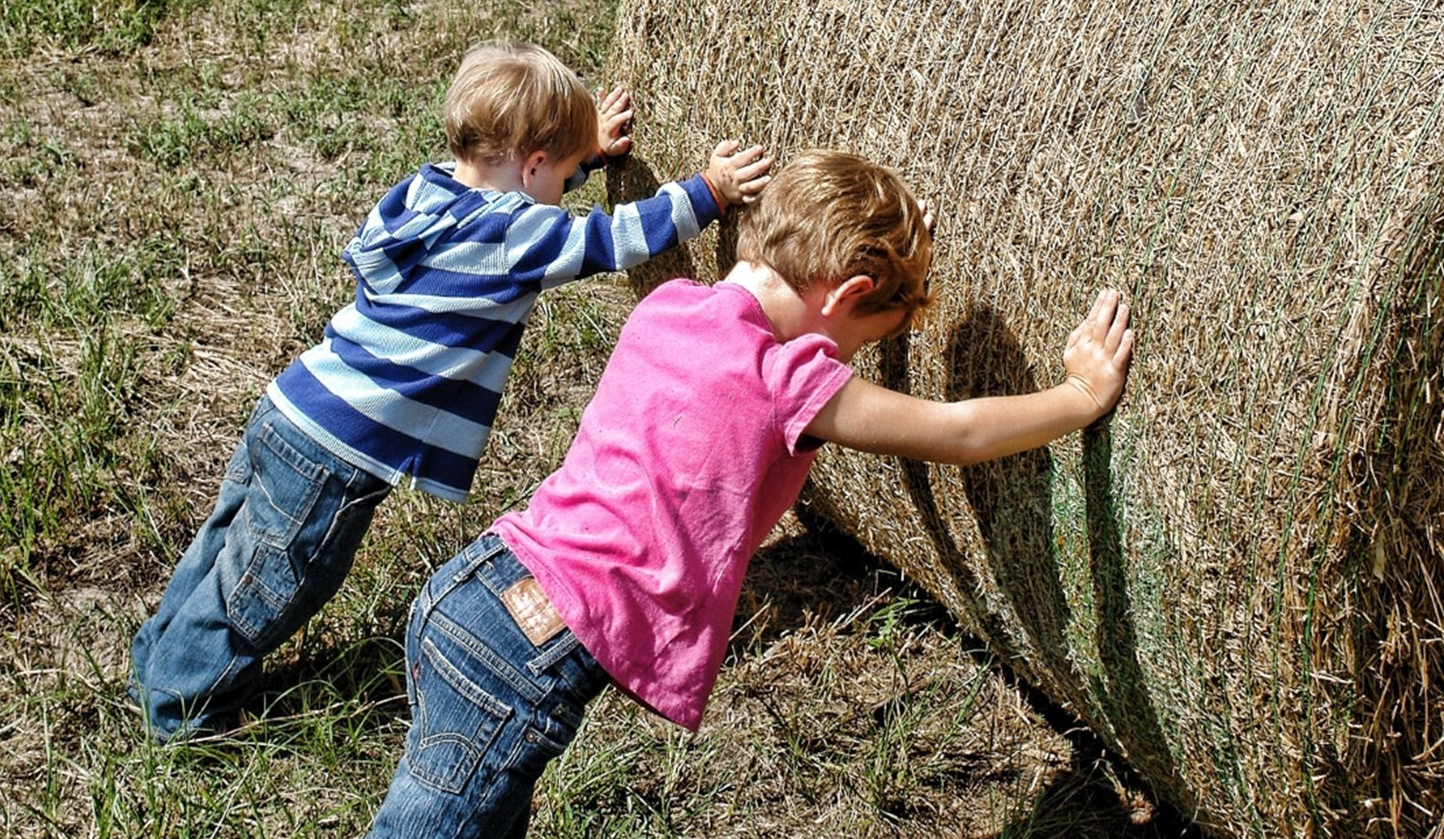
Many of these incidents involve kids in machinery zones, livestock handling areas, or vehicles.
In almost all cases, the risk wasn’t reckless behaviour, it was a momentary lapse during a high-pressure job.
“We don’t talk enough about how the absence of childcare options, especially in remote or rural areas, becomes a major safety issue,” Mrs Richards said.
“It’s not about blaming parents and it’s also not about ‘wrapping kids in cotton wool’. It’s about recognising that if children are going to be present on farms, we need to plan for that with the same attention we give to any other worksite hazard.”
Farmsafe’s child safety suggestions for this year’s campaign centres around three simple but non-negotiable steps.
Designated Safe Zones: Set up clearly marked childsafe areas. These could be properly fenced outdoor play areas, supervised ‘viewing spots,’ or indoor activity spaces out of harm’s way.
Active Supervision: Know exactly who is watching the kids at all times, especially when machinery or animals are in motion. “We thought the other person had her” is a phrase heard too often in incident debriefs.
Back-Up Plans: Even if you’re only ‘ducking out for a minute,’ make sure there is a plan. A backup person. A locked gate. A childsafe space.
And, where appropriate, involve children in farm life in age-appropriate and structured ways.
Let them hand you tags or collect eggs but ensure there are clear boundaries, non-negotiable no-go zones, and routine check-ins that include safety messages tailored to their level of understanding.
“We want children to love farm life,” Mrs Richards said.
“To grow up close to the land, to learn skills and responsibility. But we can’t confuse ‘being raised on a farm’ with being ready to be in the crush, or on the back of a quad, or near a moving auger.”
Farmsafe encourages families to reflect on their own near-misses, moments where something could have gone very wrong, but luckily didn’t, and to use those moments as prompts to improve safety systems, not just breathe a sigh of relief.
This includes having family discussions about rules and responsibilities; establishing safe play areas; rotating supervision roles during big jobs; and setting up call-and-response check-ins for older children before work begins
“Child safety doesn’t mean locking kids away from the world,” Mrs Richards said.
“It means making sure they can be close, and still be safe. That their safety is part of the planning, not just an afterthought when something goes wrong.”
Because when it comes to children on farms, the risk isn’t just the machinery or the livestock, it’s the assumption that someone’s watching.
About Farmsafe Australia
Farmsafe Australia is the peak industry body, bringing together farmers, industry experts, and agricultural stakeholders to ensure that every farm has access to safety information and education to create a safer place to live and work. With deep roots in the agricultural community, we share trusted resources and expert insights, ensuring every farm has access to support to help them protect what matters most.