AS regional communities again find themselves at the centre of debates over Australia’s net-zero future, a new handbook launched today will help them play a more active role in shaping how renewable energy projects are developed in their region.
The handbook includes case studies and tools that build on best practice from other communities undergoing energy transformations – so others don’t have to start from scratch, but can learn from what’s already working across the country.
Handbook co-author and project manager at Community Power Agency, Marie Lakey, said as renewable energy projects roll out, many regional communities are experiencing significant change.
“Big changes require big support – but there’s been a lack of resources written for communities themselves. This handbook aims to change that,” she said.
Across the country, there’s growing attention on how renewable energy developers engage with communities.
But genuine collaboration is a two-way process, and communities also have a vital role to play.
Handbook co-author, Guyra local Heidi McElnea, said it’s essential proponents engage with communities.
“But engagement is most effective when communities are also active participants,” she said.
“When we’re involved and working together, we can shape renewable energy development in ways that deliver real, lasting benefits for our region.
“This is not a time to stand on the sidelines. We hope the handbook will help give communities the confidence they need to negotiate genuine outcomes.”
Drawing on years of on-the-ground work with regional communities, including those in Renewable Energy Zones, the handbook provides a clear approach for communities to collaborate and take action on local priorities such as housing, biodiversity, skills and jobs.
One example from New England shows how collaboration can work in practice.
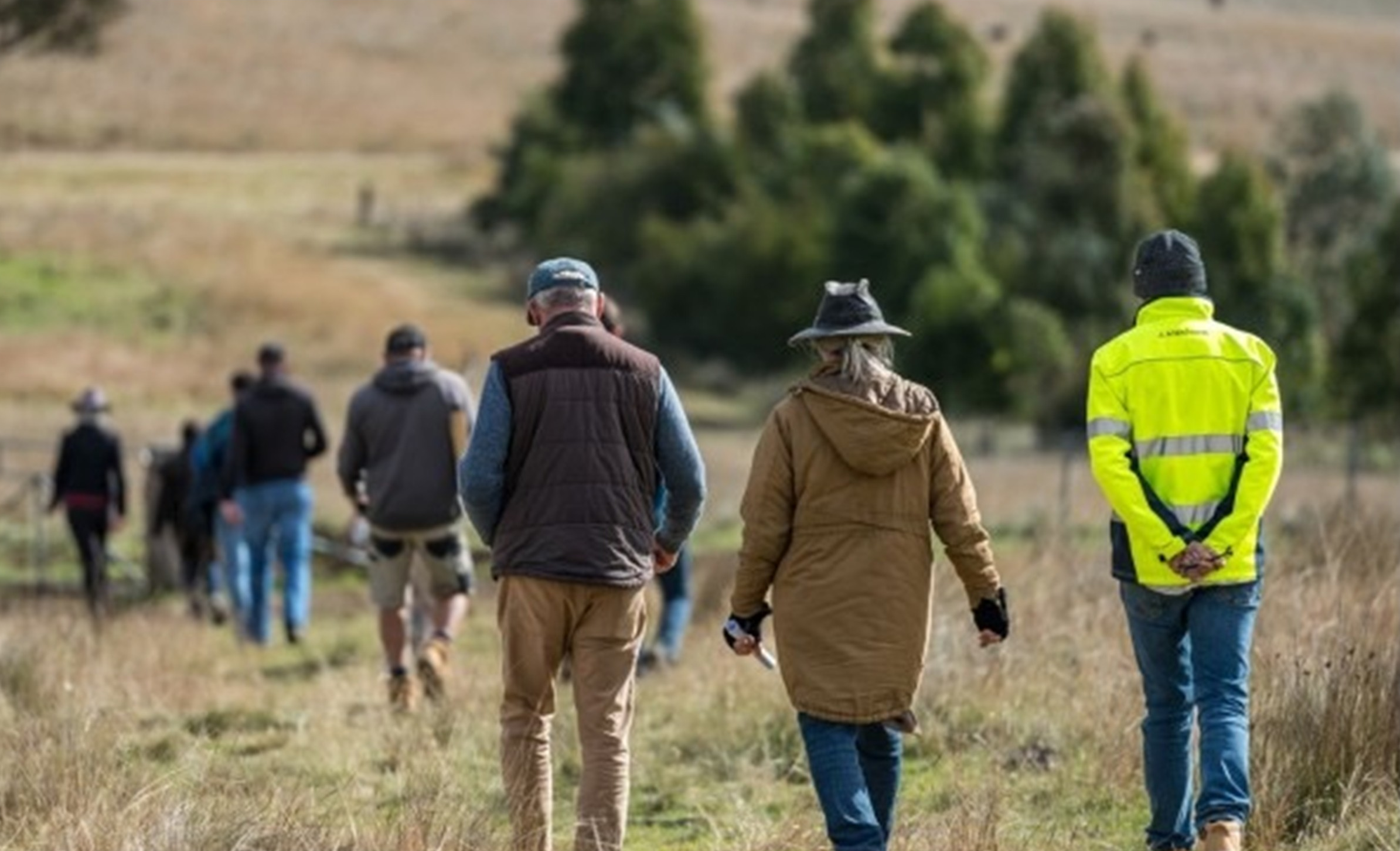
In 2024, GLENRAC and Southern New England Landcare hosted the Better Biodiversity on Solar Farms workshops, bringing together environmental experts, farmers, First Nations land managers, and local community groups.
The workshops explored how energy, agriculture, caring for Country and conservation can co-exist.
Since then, a coalition of local and national researchers and organisations has continued working together, developing a bid for government funding to establish a 10-year Agrisolar Co-Operative Research Centre.
University of New England senior lecturer Dr Eric Nordberg, said bringing together First Nations people, farmers, scientists and energy experts is essential when balancing biodiversity and energy needs.
“The collaboration here in New England has already led to great outcomes, and if successful, the Agrisolar CRC bid will create even more opportunities for our region to lead in best-practice shared land use.”
Community Power Agency says the proposed CRC will develop integrated solar and farming systems through research and demonstration projects.
This will help farmers adapt to climate change, protect biodiversity, secure food production, and support regional communities, Community Power Agency said.
Read Collaborating for a Fair Energy Shift – A Handbook for Communities HERE.