THE Murray-Darling Basin Authority’s 2026 Basin Plan Review Discussion Paper makes it clear that a healthy basin will not be achieved by water recovery alone, reinforcing the need for a more balanced approach to environmental management, says the National Farmers’ Federation.
NFF Water Committee Chair Malcolm Holm said the discussion paper acknowledges environmental outcomes are influenced by a range of non-flow factors, many of which need a targeted response, not more water.
“The Discussion Paper reinforces what farmers have been saying for many years, that environmental outcomes are nuanced and depend on more than just the volume of water,” Mr Holm said.
Sustainable Diversion Limits are a cornerstone of the Basin Plan, and virtually all SDLs are being met.
“The science is telling us that where environmental problems persist, they are typically driven by invasive species such as carp, physical or rules-based constraints, and connectivity issues, not a lack of water,” Mr Holm said.


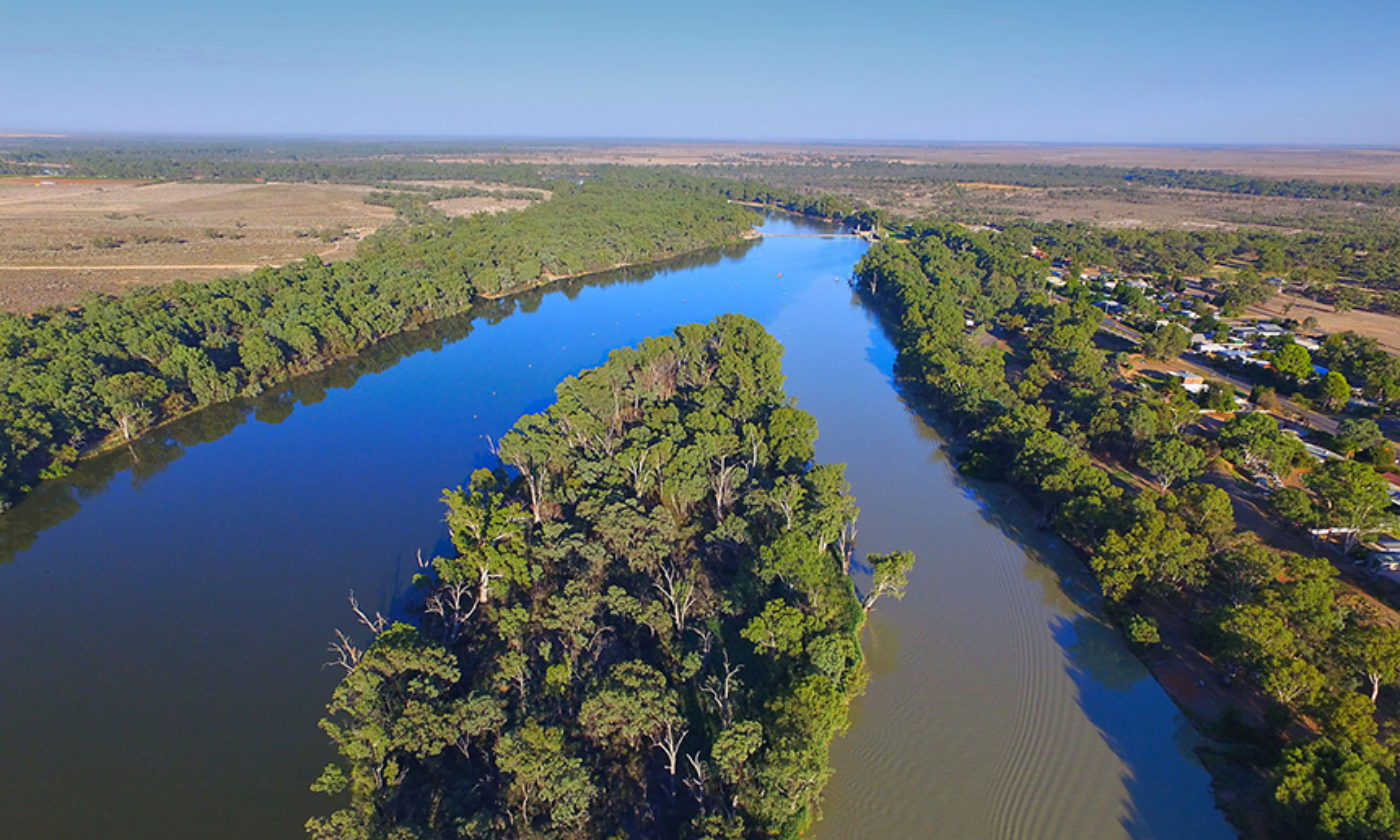
The Review outlines four priority challenges, those being river connectivity in the Northern Basin, addressing barriers to native fish recovery, protecting end-of-system outcomes, and restoring habitats.
The Basin environment now is materially different from when the Plan commenced in 2012.
The NFF says the next phase of reform must focus on smarter management of the more than 3,000 gigalitres already returned to the environment to deliver better outcomes and value for money.
“Given the Report, what further evidence do we need to provide to cease more buybacks,” Mr Holm said.
The Review also comes as the Government pursues globally agreed thresholds of 30 per cent protection across land, sea and inland waters. The Murray-Darling Basin already well exceeds this threshold for how much water stays in rivers for the environment.
“After $13 billion and more than a decade of implementation, the focus must now be on optimisation and applying the lessons learned to improve outcomes,” Mr Holm said.
“Farmers are ready to engage constructively on integrated catchment solutions as we edge toward a Basin Plan 2.0 that delivers for the both the environment and Basin communities.”
The NFF says it will continue to engage with governments and stakeholders as the review progresses.