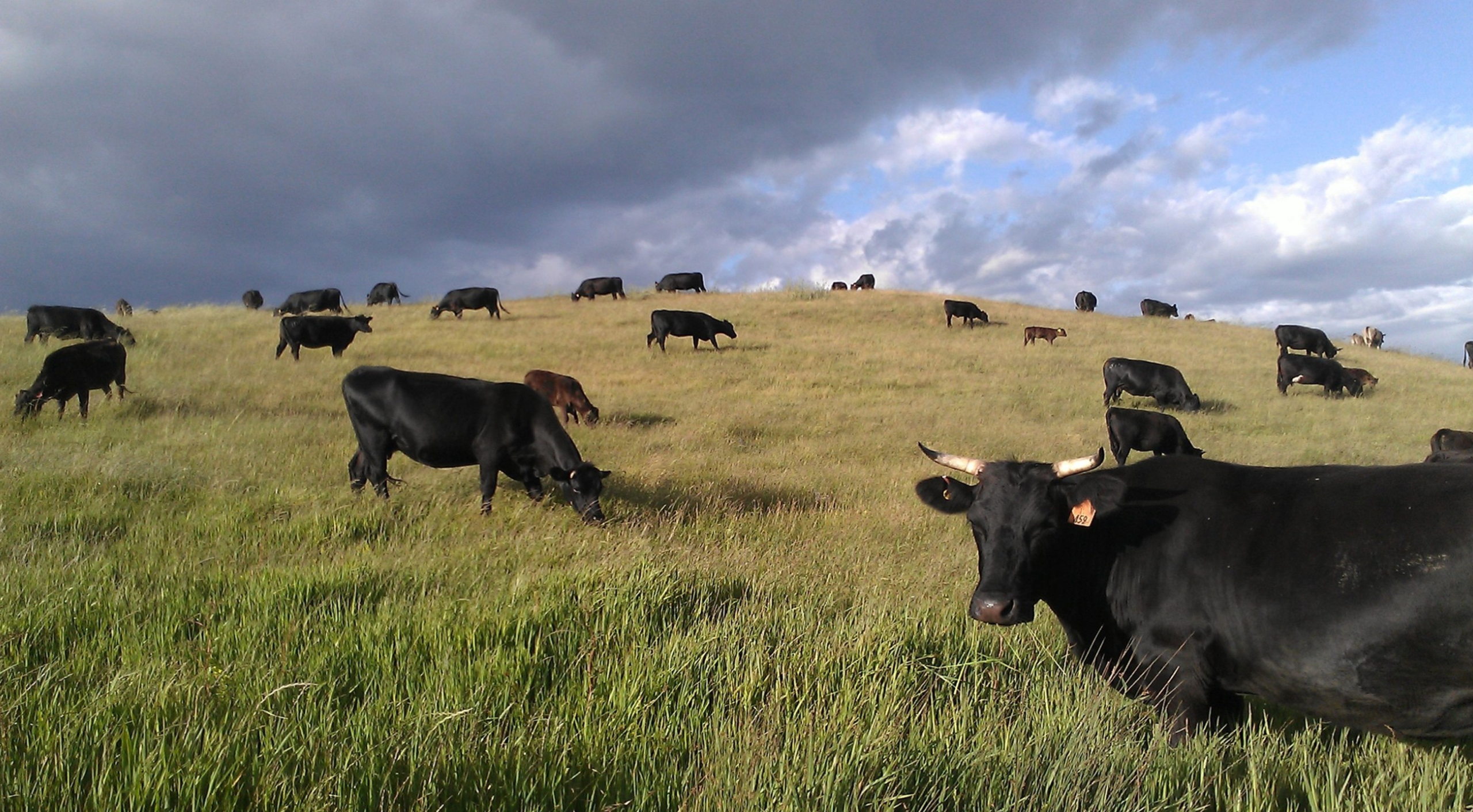
AFTER a kind autumn and strong seasonal conditions in the Northern Tablelands, many landholders with plentiful feed have begun fielding calls about livestock agistment.
While agistment can be a great form of supplementary income, Local Land Services advises landholders should ensure they address some important considerations before accepting an agreement.
Landholders should first ensure livestock come with a cattle health statement and are transferred on the NLIS database.
This will prevent disease entering properties, and an official record of the agistment is crucial should any issues arise.
Northern Tablelands Local Land Services district veterinarian, Dr Lisa Martin, said mapping out a plan in case of an emergency is also advised.
“It can be difficult to make fast decisions about agisted livestock in an emergency such as fire or flood if the owner can’t be contacted quickly,” she said.
“It’s best to have a discussion about how the livestock are to be managed if an emergency occurs during the agistment period.”
Dr Martin said that landholders can protect against biosecurity threats to their property by quarantining and monitoring livestock closely when they first arrive for illness, ticks and any new localised weeds that may have been introduced by the herd.
“This process is something I recommend should stock or offspring return to the originating property,” she said.
Before the animals are transported to the property, landholders should develop a written agreement, detailing which party is responsible for livestock health care and veterinary treatment, including routine treatments such as vaccination or drenching and treatments prior to arrival or on arrival.
Both parties should have copies of the agreement along with any third party such as a broker or livestock agent that may be involved.
NLIS tag arrangements for births while on agistment and access to NVDs as animals are sold are also important to have in writing, in addition to a process for ending the arrangement if seasonal conditions deteriorate during the agreed period.
A written agreement acts as a crucial document to assist in resolving issues if problems arise.
Relying on a handshake can result in misunderstandings, conflict, and in some cases, expensive legal disputes.
Additional resources about agistment can be found on the Department of Primary Industries Young Farmer leasing and agistment toolkit website.
For more information about livestock health, contact your Local Land Services District Veterinarian or Livestock Officer on 1300 795 299.
Media Release: Local Land Services