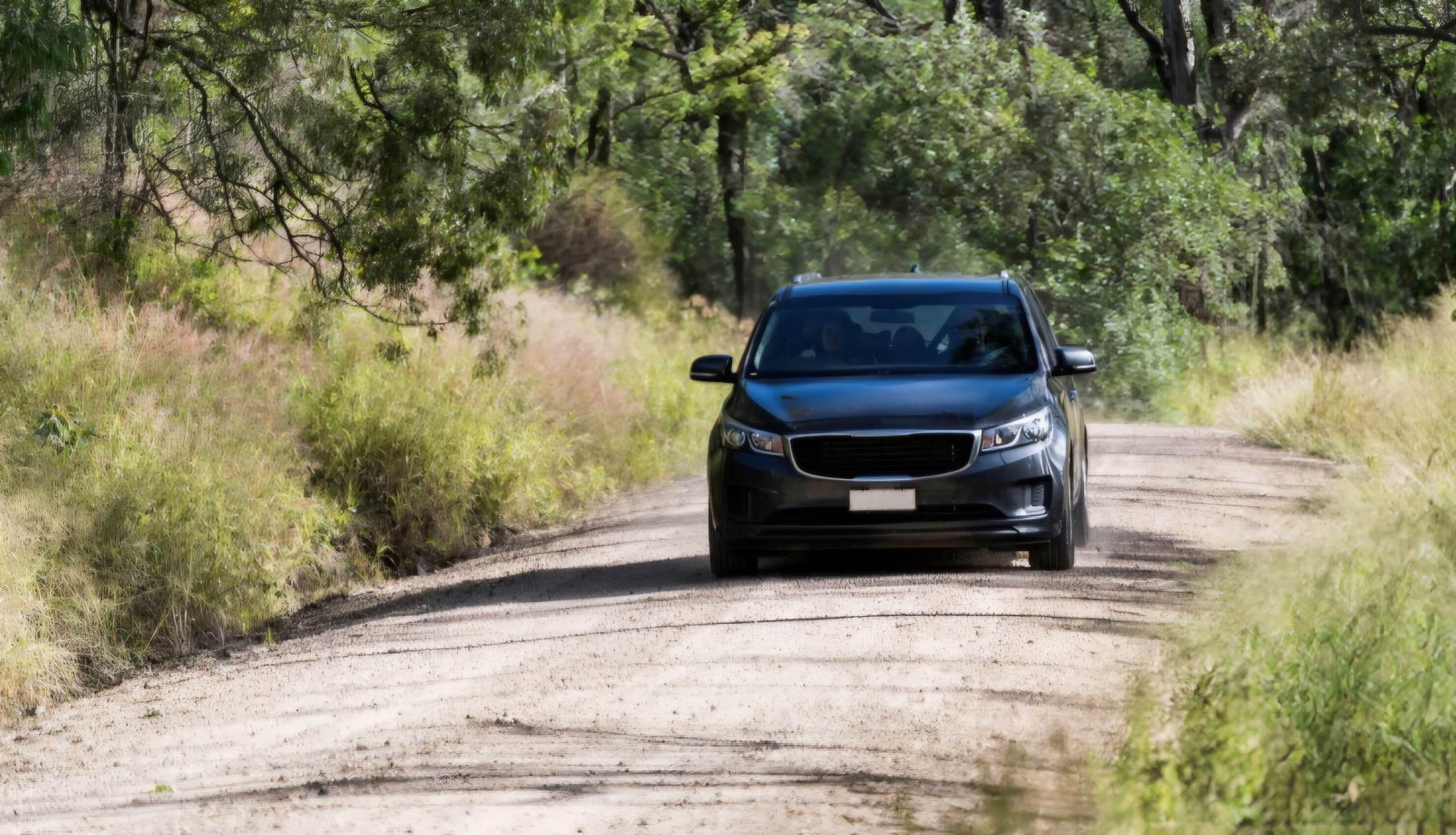
THE consultation period on the federal government’s plan to cut default regional road speed limits to as low as 70 kilometres per hour has been extended by two weeks to Monday, November 10.
The morning after Regional Development Shadow Minister, Dr Anne Webster, called for an extension of time – and following Transport Shadow Minister Senator Bridget McKenzie writing to Minister King seeking the same – the ‘participate’ progress bar on consultation was showing zero days remaining, but now there are an additional 14 days.
“Regional Australians need more than a sneaky shifting of the consultation dial, pretending nothing was amiss here,” Dr Webster said.
“The Nationals have done the heavy lifting making all Australians aware of Labor’s plan to slash road speed limits from 100 to as low as 70 kilometres an hour. The Minister didn’t even bother doing a media release, even though she had promoted other consultations.
“The consultation now runs for the usual length of 42 days, not the abysmally short 28 days.
“This looks like a Clayton’s consultation. The government appears to want to bring regional Australia to a grinding halt,” Dr Webster said.
“Labor’s speed limit proposal remains an outrageous, lazy solution to a serious issue facing cars and trucks across the country.
“As I have said all along, ‘how about they just fix the bloody roads’.”
Member for Northern Tablelands, Brendan Moylan, said the Federal Labor Government’s solution to reducing road fatalities is to reduce the speed limit on un-signposted roads.
“This is a cop-out, and a lazy excuse for not properly investing in the maintenance and safety improvements of regional roads,” Mr Moylan said.
“We need safer roads to travel on, ones that aren’t crumbling under our wheels and that have the same safety infrastructure as roads in the metro areas.”
Dr Webster said Labor is cutting the Local Roads and Community Infrastructure program from July 1 next year.
She said councils and shires rely upon the program to improve local roads.
“Repainting white lines, installing rumble strips, improving road shoulders and visibility at intersections and corners, and fixing potholes can save lives at minimal cost, yet Labor’s preference is to change the default speed limit with the stroke of a pen and pretend they’ve made everyone safer,” she said.
Dr Webster urged transport operators, small businesses, farmers, and councils to make submissions to the Government’s consultation by the new deadline of Monday, November 10 about how their communities would be impacted by speed limit reductions on rural, regional, and remote Australian roads.
To make a submission, go to the ‘Have your Say’ at Regulatory Impact Analysis to reduce the open road default speed limit. The Consultation Regulatory Impact Analysis is available HERE.