THE Lions Club in Moree was founded in 1954, and will next month celebrate 70 years’ active service to the town and district at a special lunch at Moree Services Club.
The November 16 midday event marks seven decades of fundraising and community engagement by a local organisation formed when Jim Wilde and Alf Sadlier put their heads together in the early 1950s.
The Moree branch was officially formed on November 11, 1954 to become the 36th Lions Club of Australia and was chartered the following year.
Wilde was Moree Lions first president, with 20 members signed up.
The charter was presented to Wilde by district governor Sid Packham at a dinner in the Moree Memorial Hall supper room.
The 20 original members were Jim Wilde, Alf Sadlier, Wal Williams, Alex Franklin, Geoff Butler, Joe Haddad, Merv Humphreys, Ian Ewing, Bob Noone, Angleo Zerefos, Gerry Cosgrove, Bob Bell, Struhan Kirkby, Jack Quinn, Bill Murdock, Vince Kelly, Frank Glover, Jack Horton, Theo Humphreys and David Lumby.
Sadlier, Williams and Noone were elected joint vice-presidents; Murdock was named treasurer and the secretary’s position went to Bell.
The same year, newspapers reported “Lions Clubs are non-political, non-sectarian service organisations com posed of the community’s leading business and professional men”.

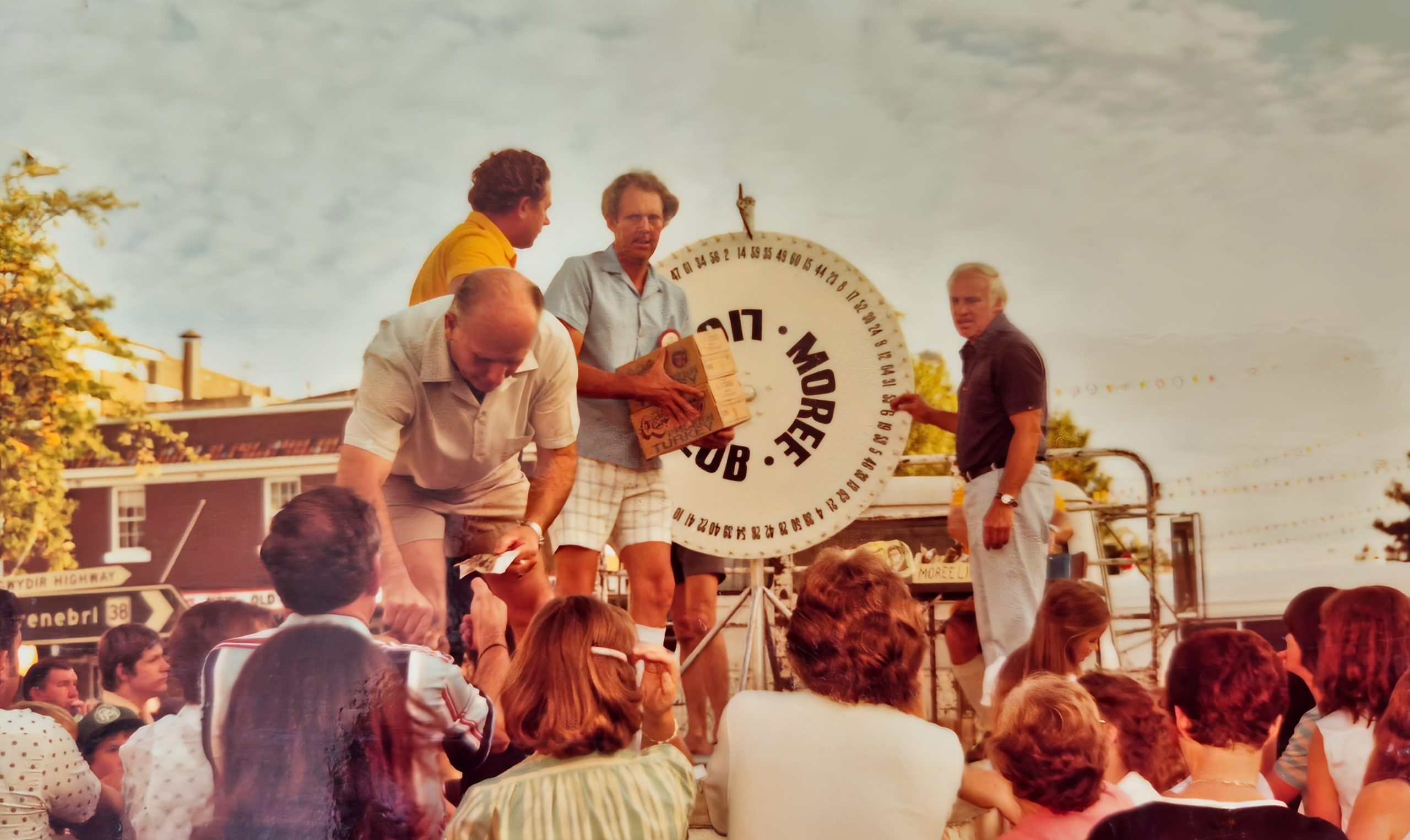
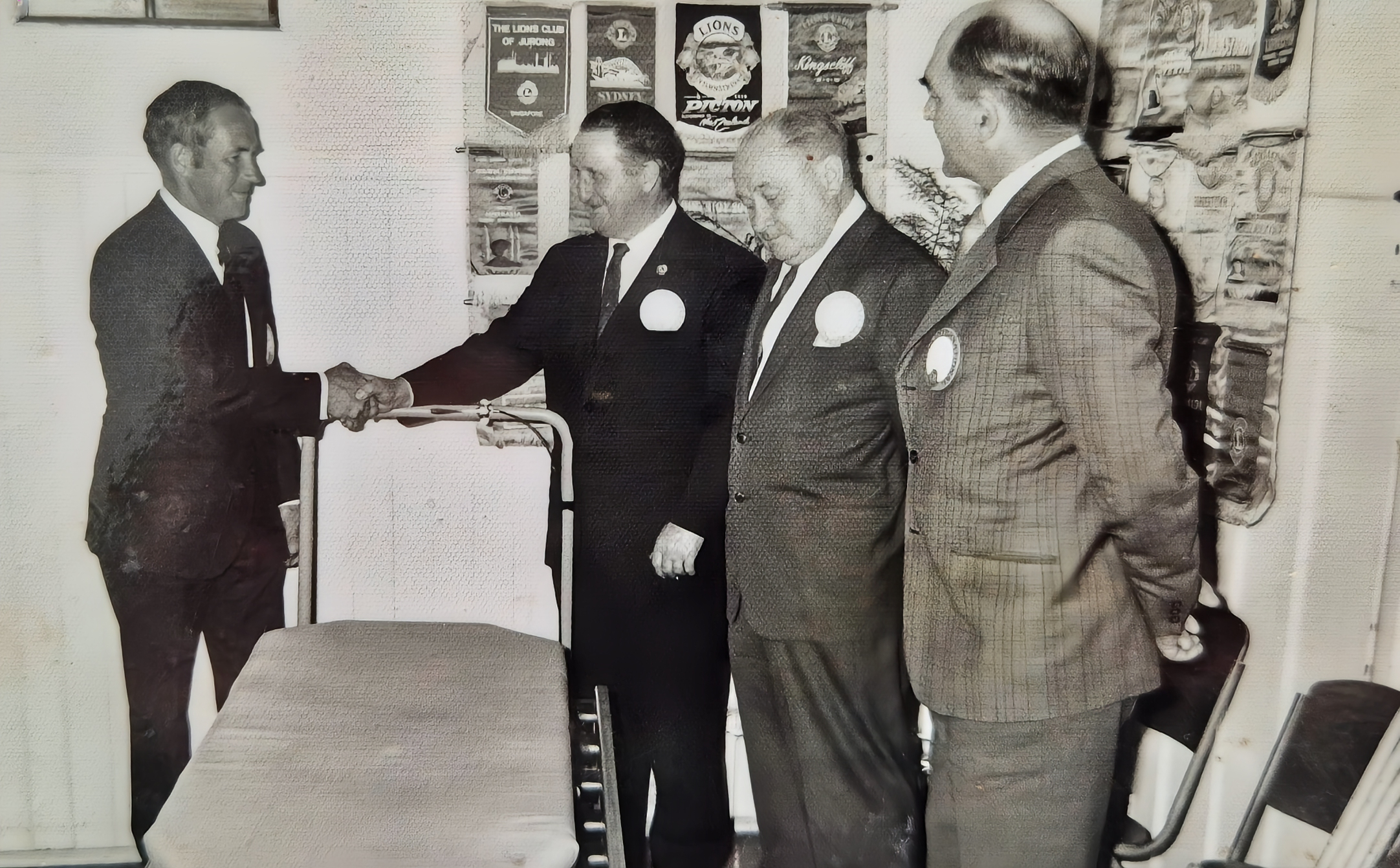
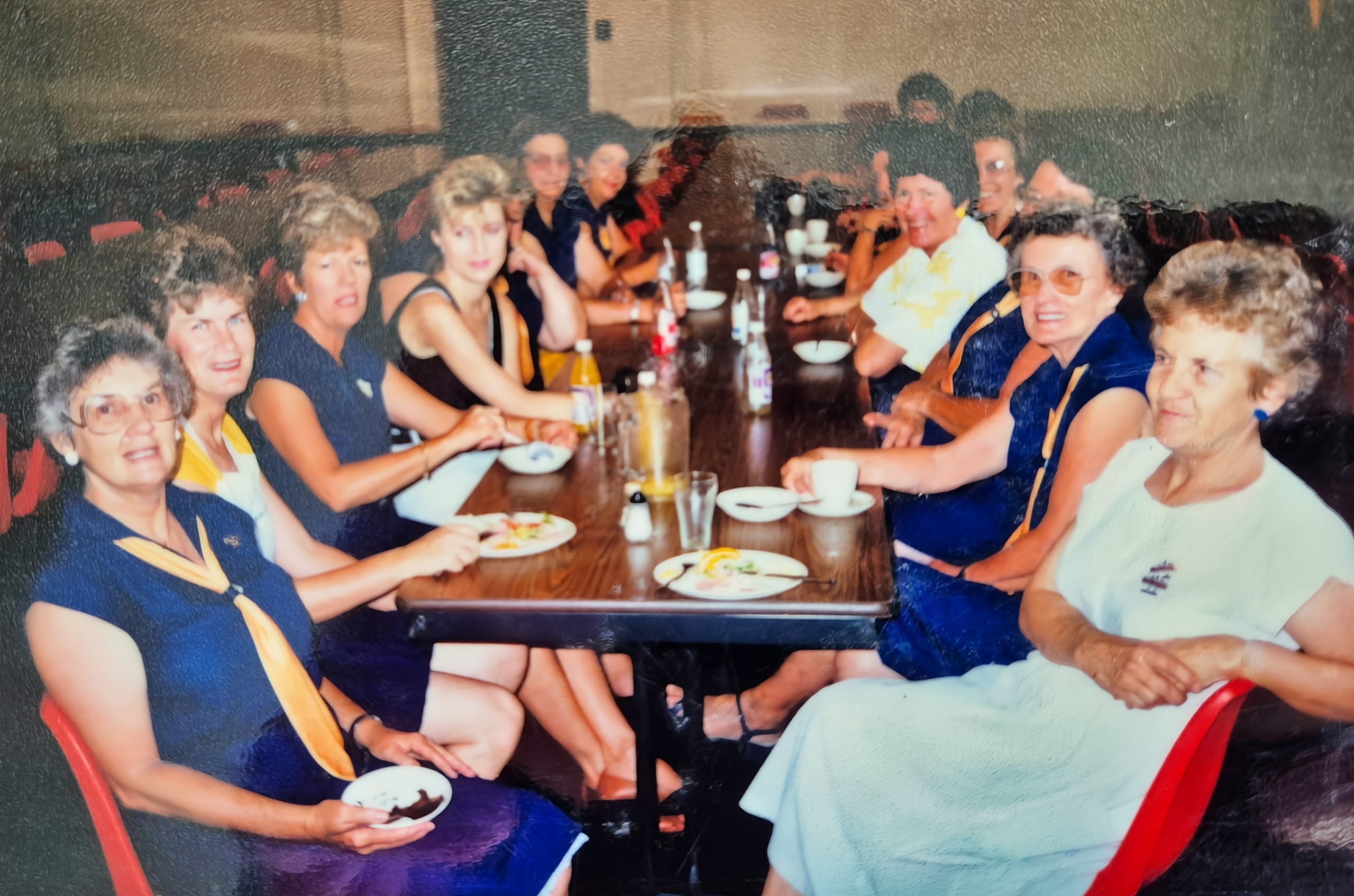
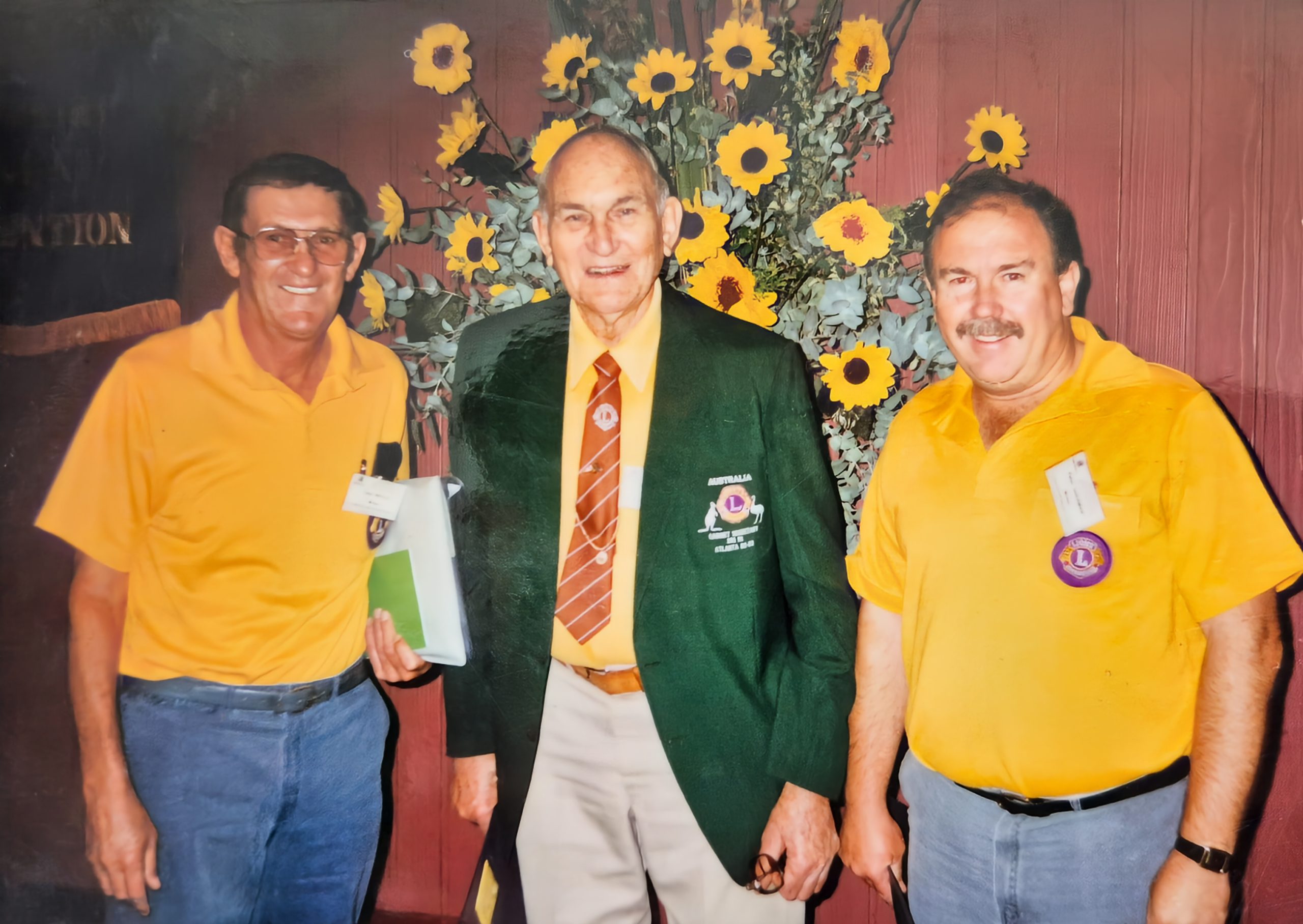

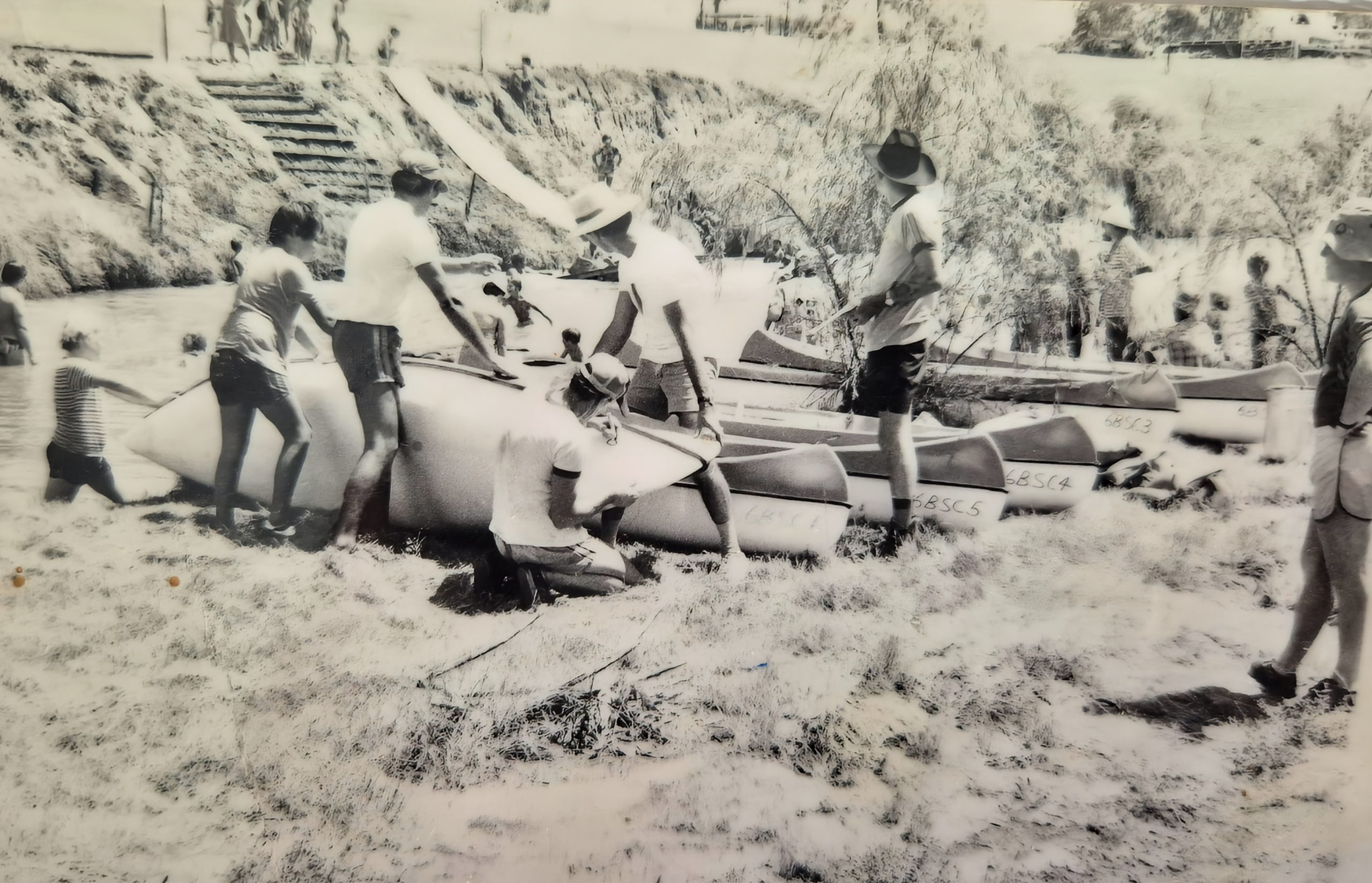
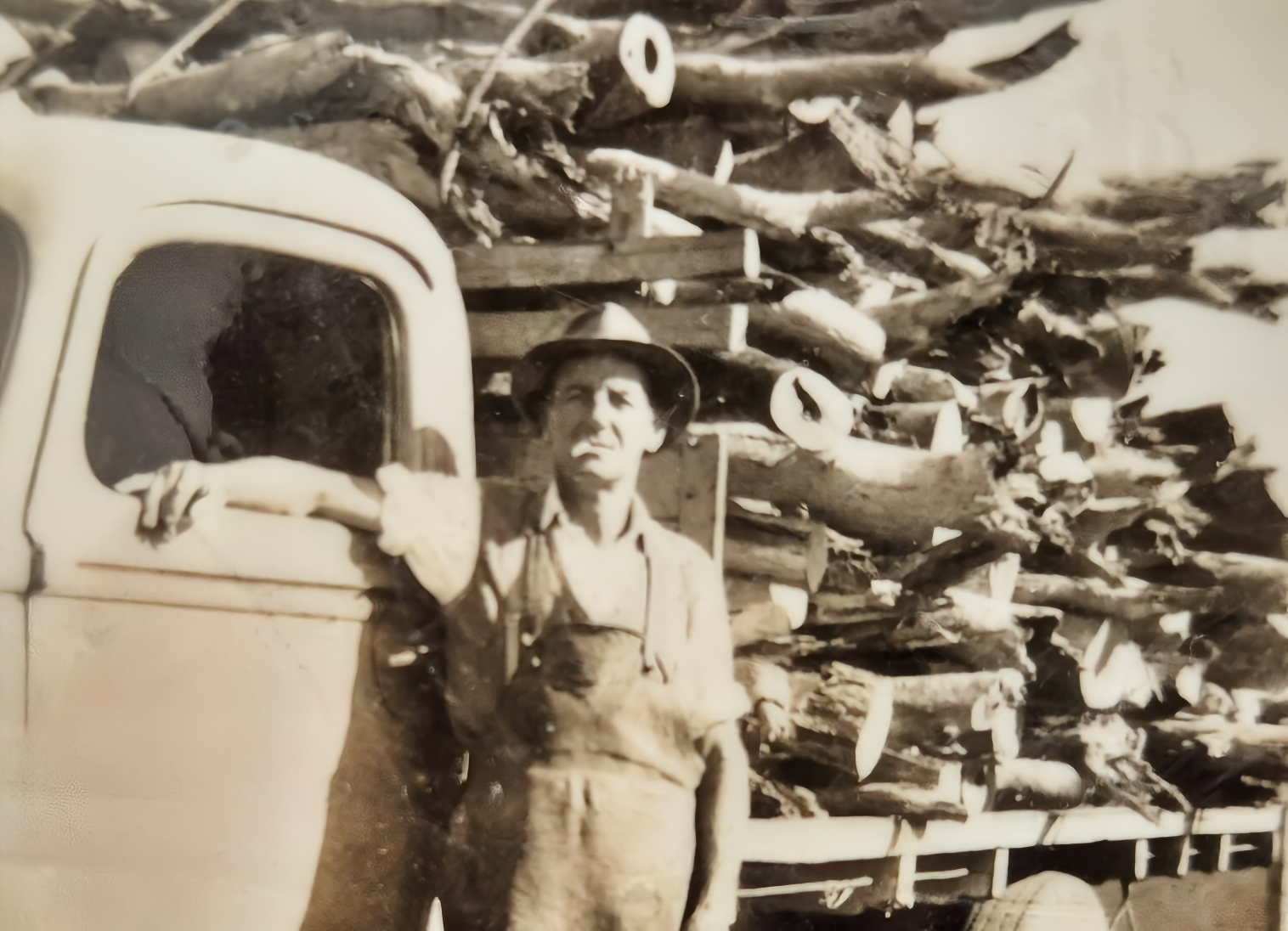

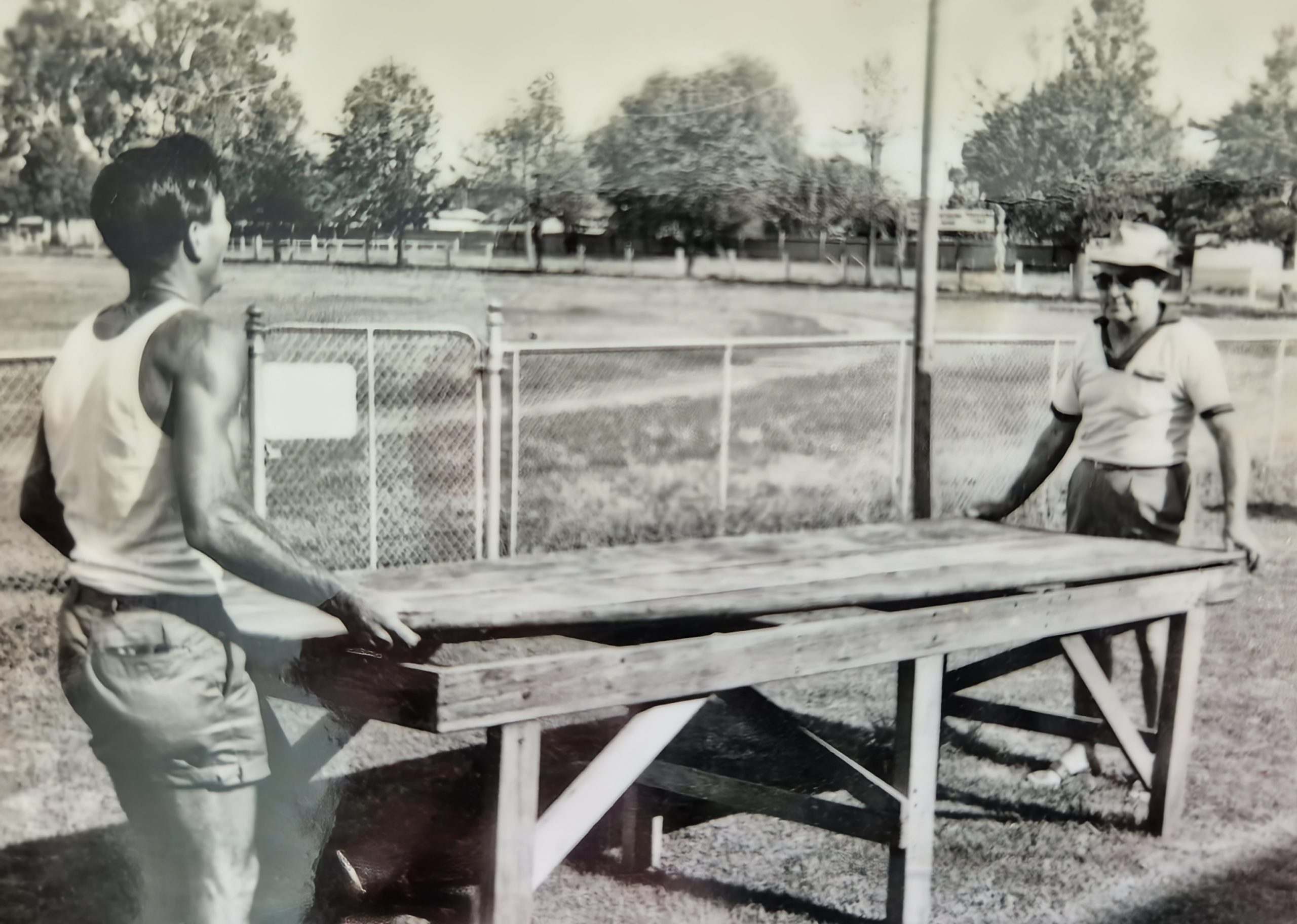

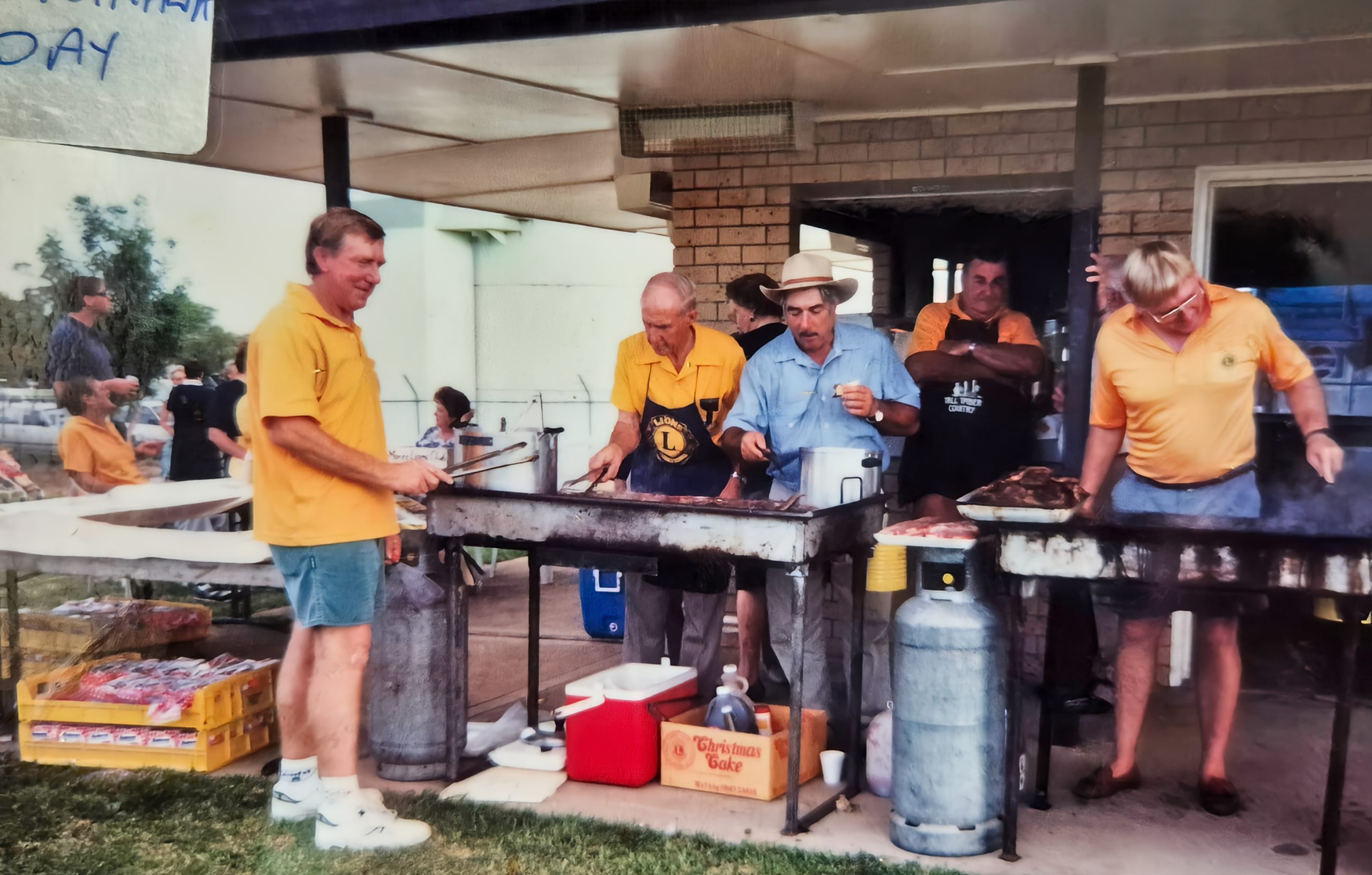
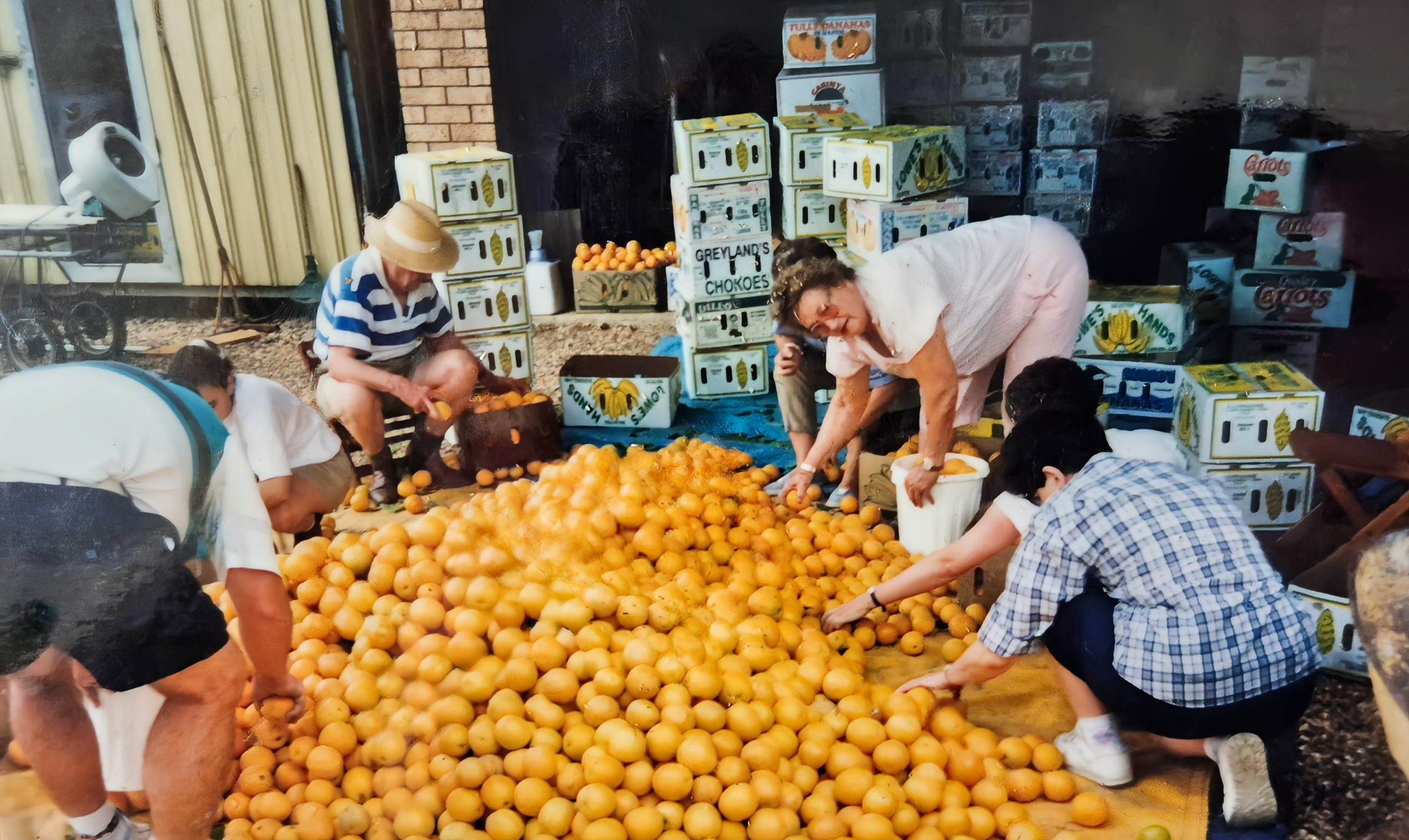

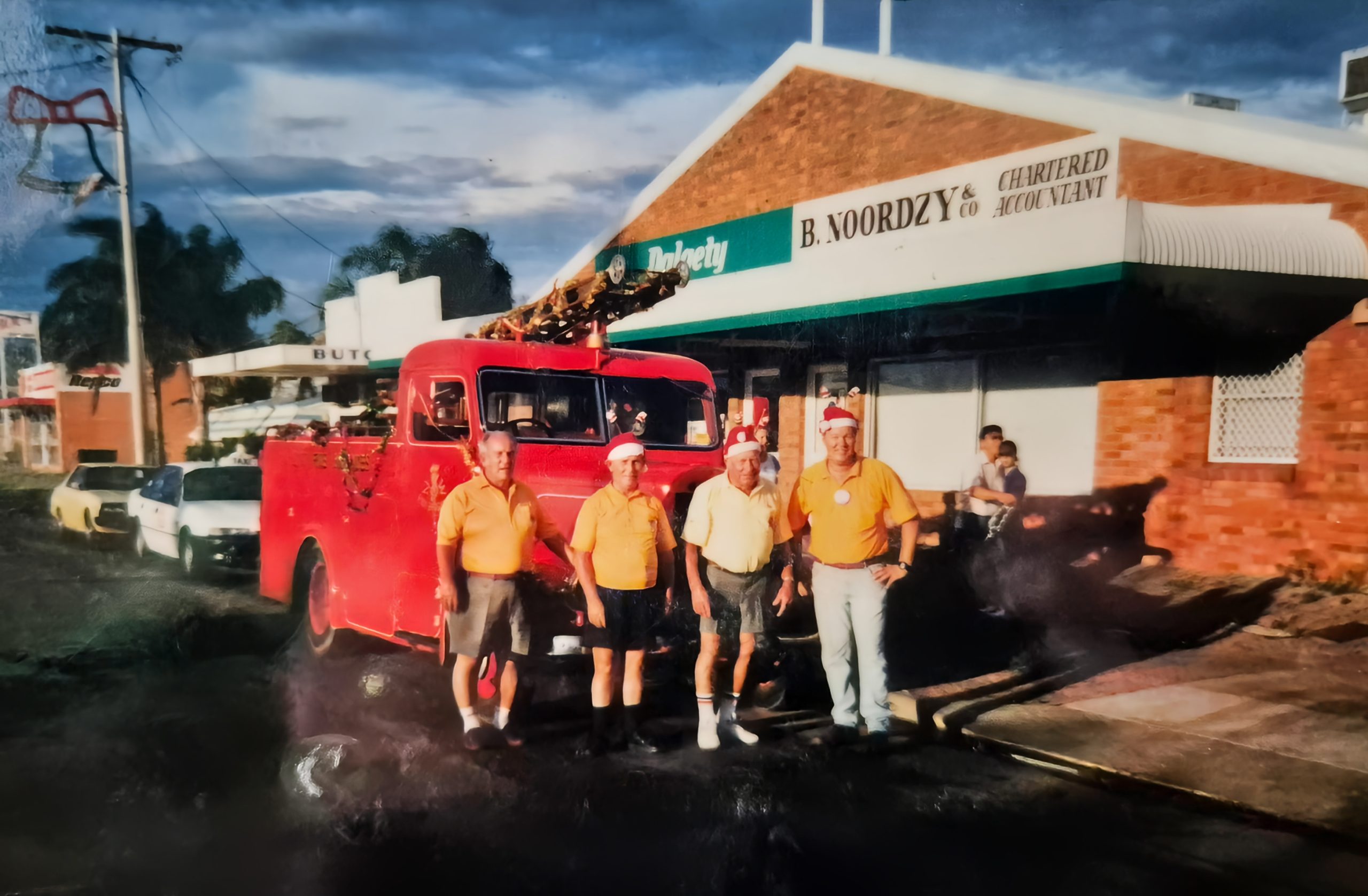


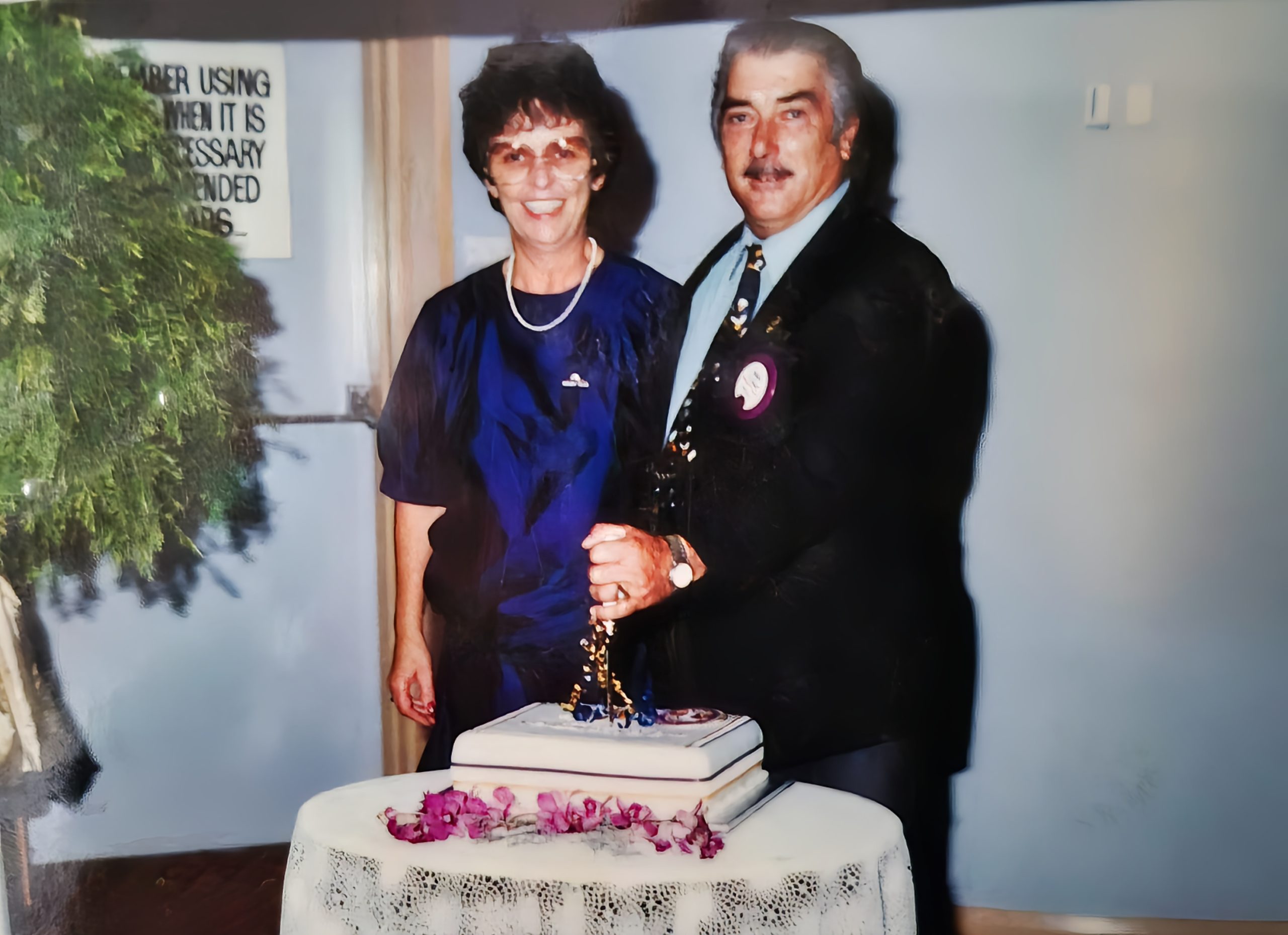


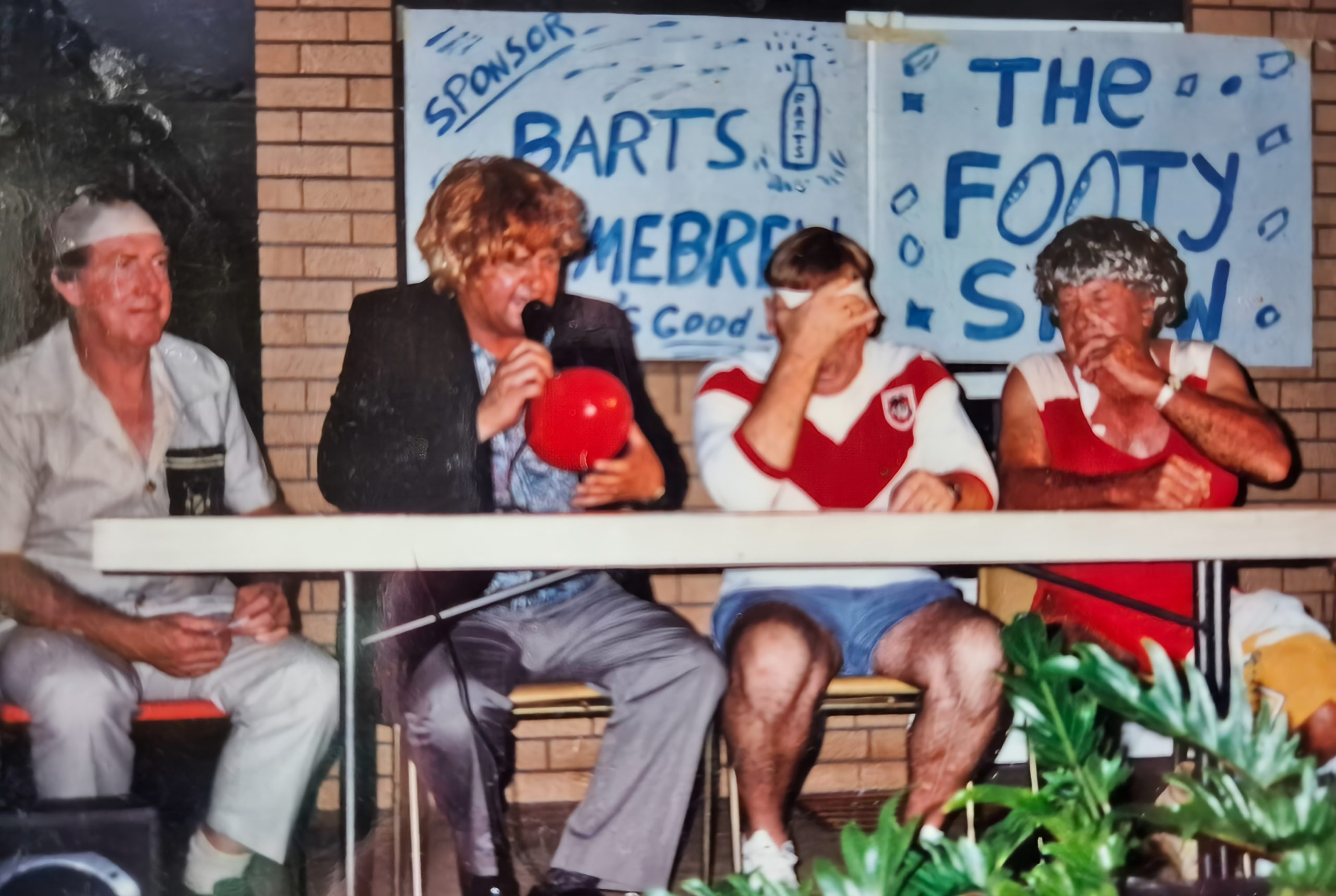
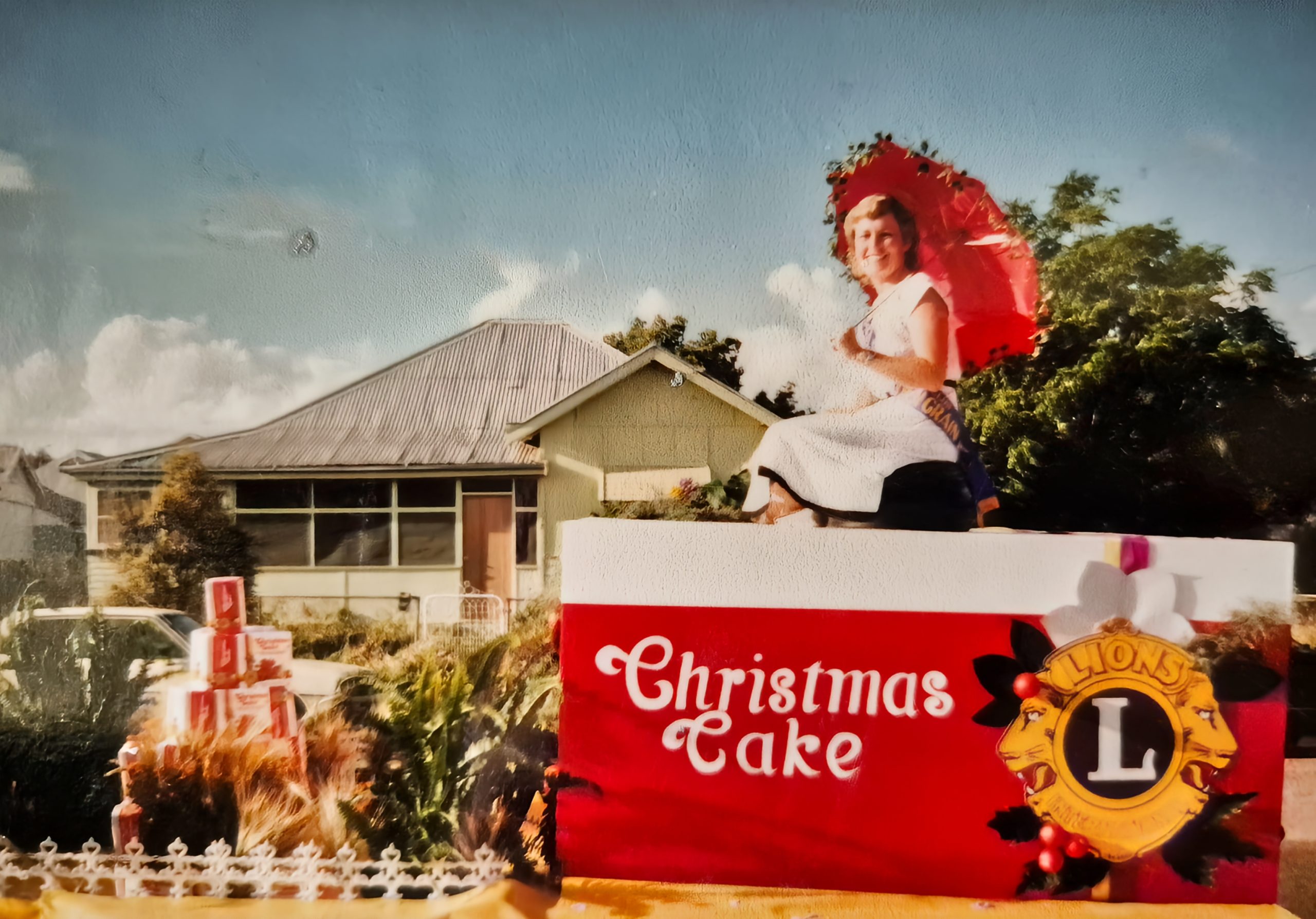
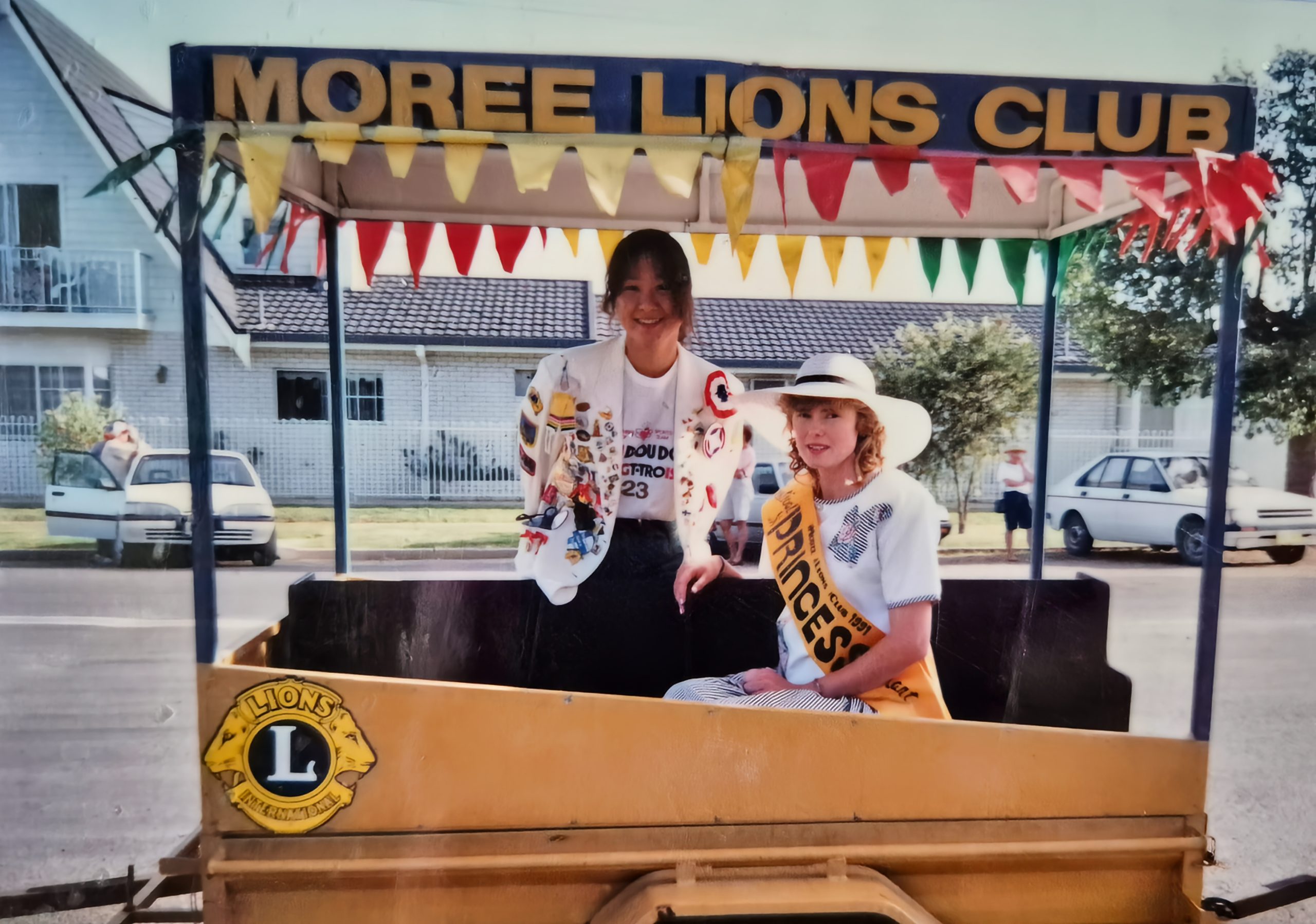

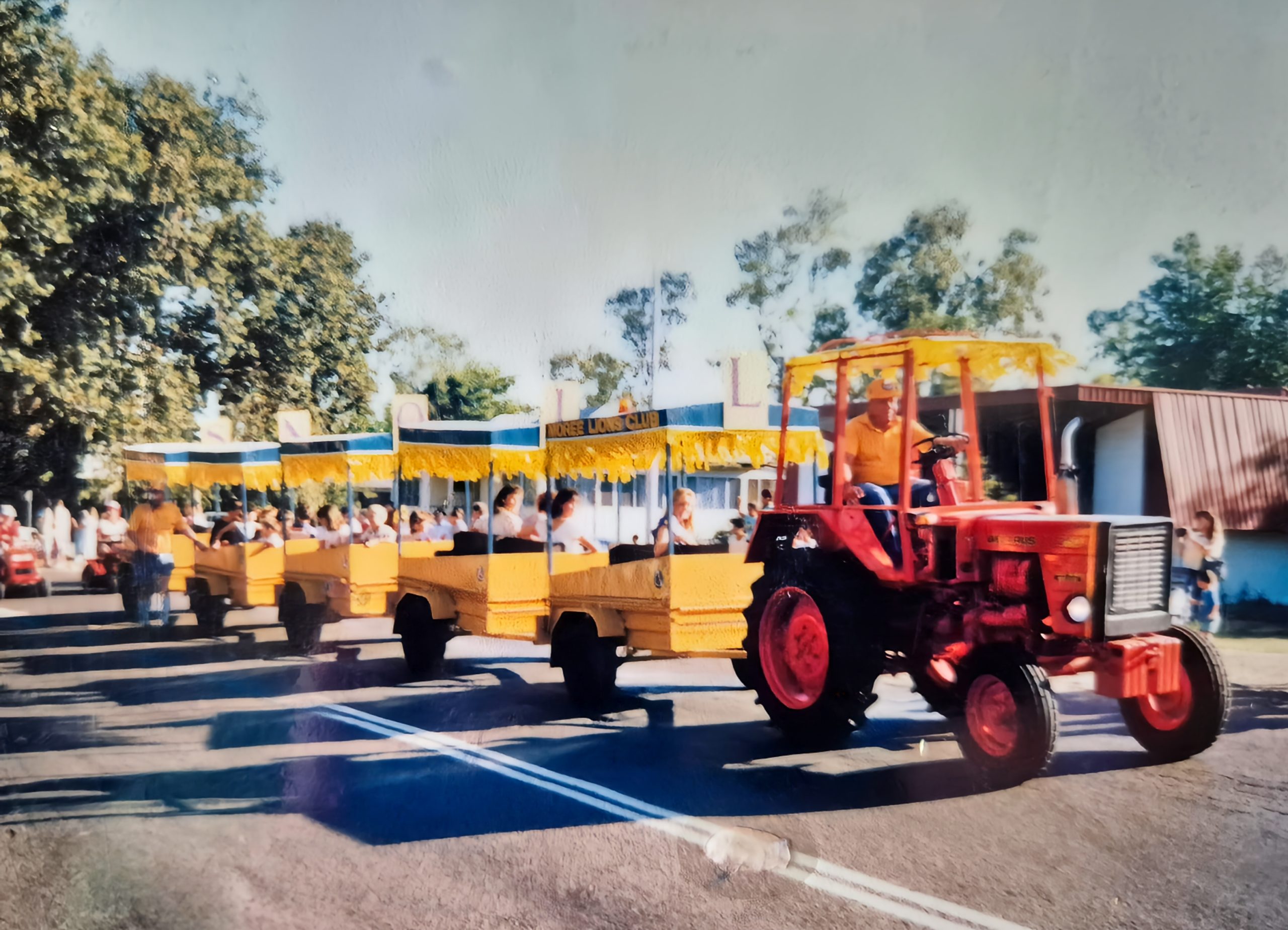

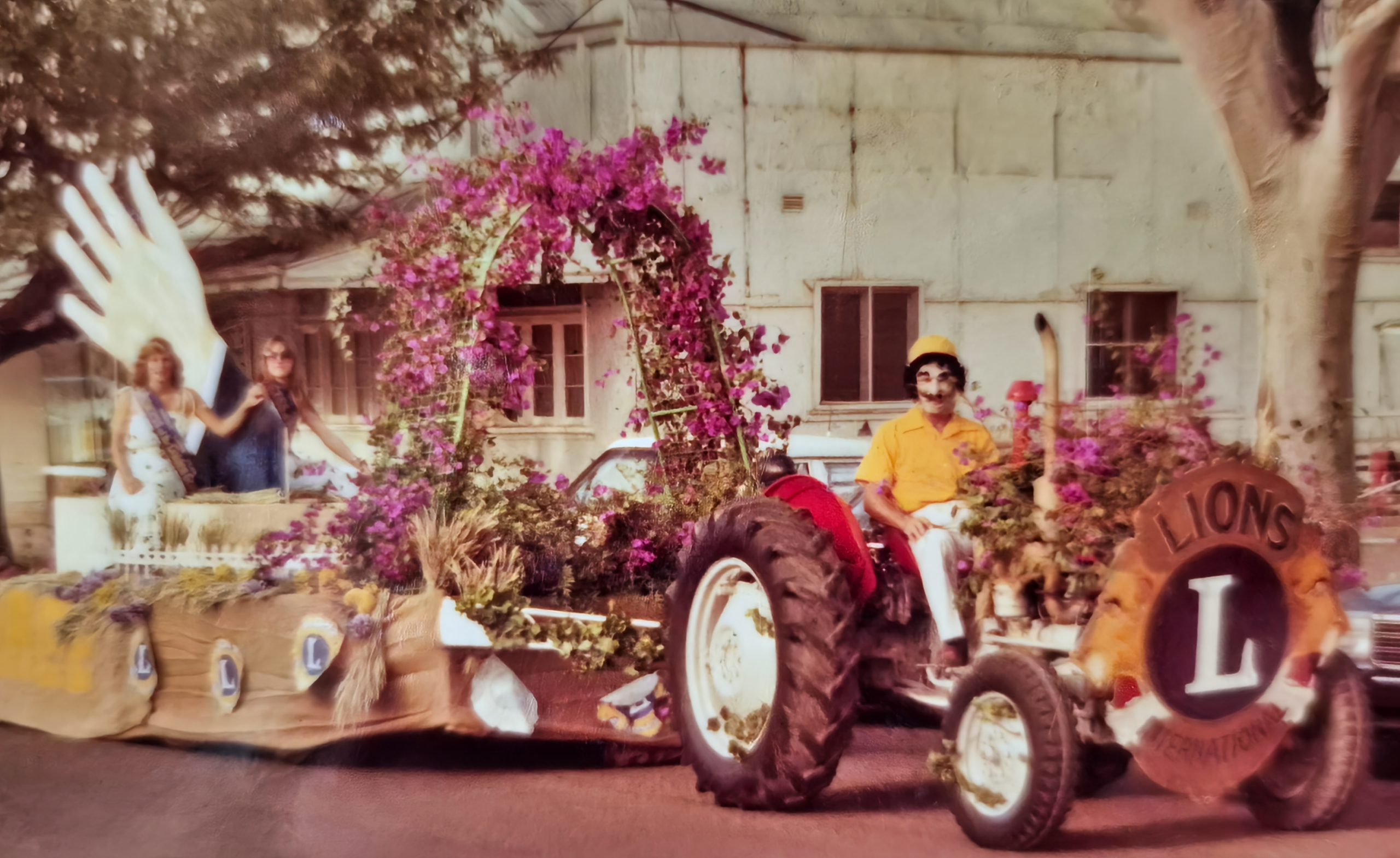
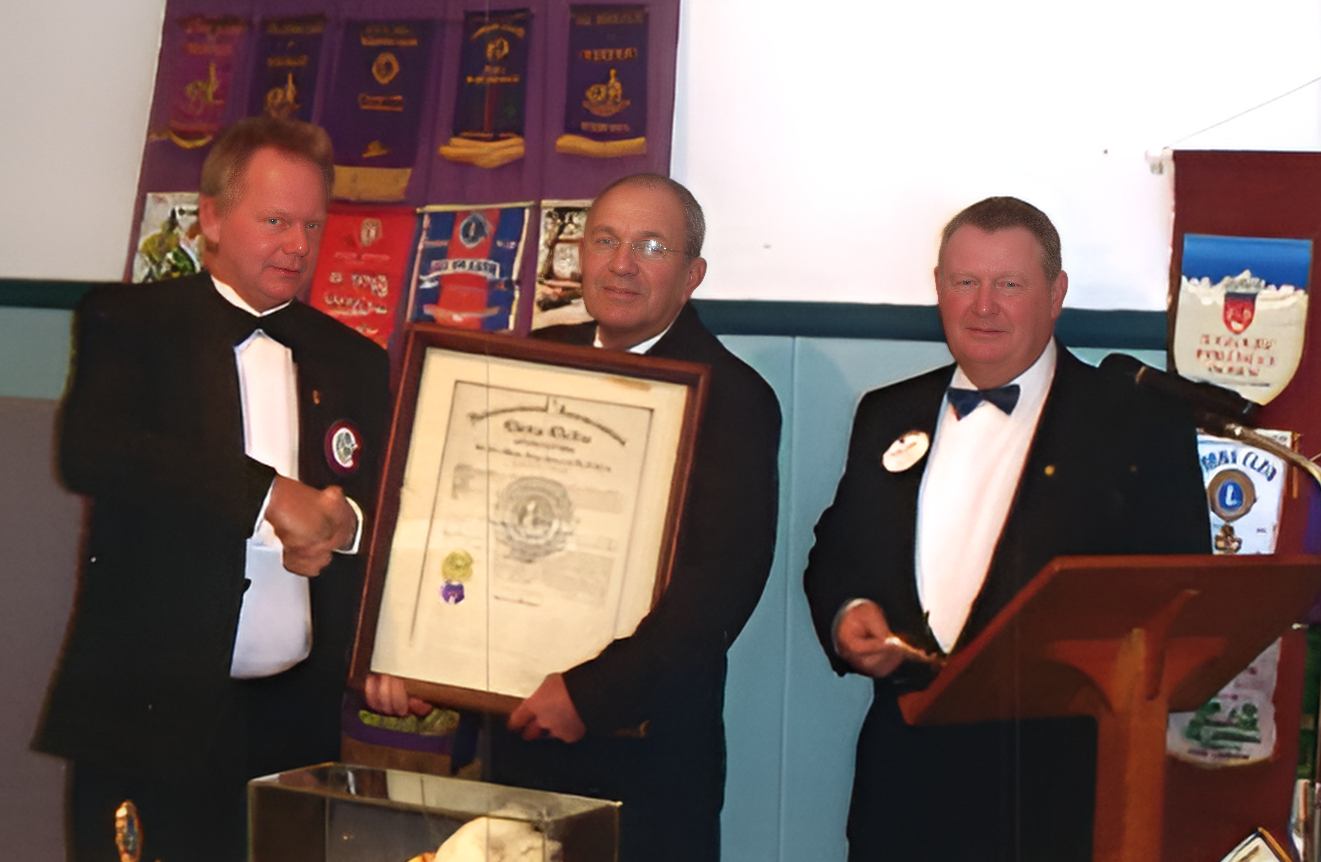
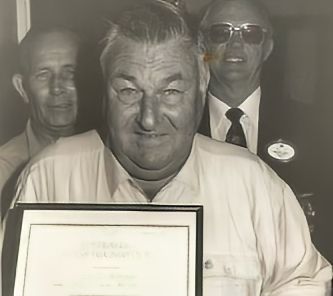


Membership was by invitation only, with the purpose of a Lions Club being much more than good fellowship and social life.
“It is to recognise community needs and develop means of meeting them, either through its own effort or in co-operation with other agencies. Lions’ greatest field of endeavour is in connection with community betterment, health and welfare, and boys and girls. It has been instrumental in building and equipping many hospitals, wards and clinics, securing iron lungs, X-ray equipment, furnishing aid for needy persons, orphans, the aged, ill and blind.”
Interestingly, also in 1954, the “smallest Lions Club in the world” was formed at Warialda by Lions International representative, Terry Fairbairn.
Inverell Lions members travelled to Warialda to help with the formation, with Frank Dempsey elected president.
Since the mid-1950s, the Lions’ roar in Moree has raised millions of dollars locally, with the money channelled back to the community.
Princess Carnival
In 1958, the club held the Princess of Moree Carnival Week to raise money for new amenities at Taylor Oval.
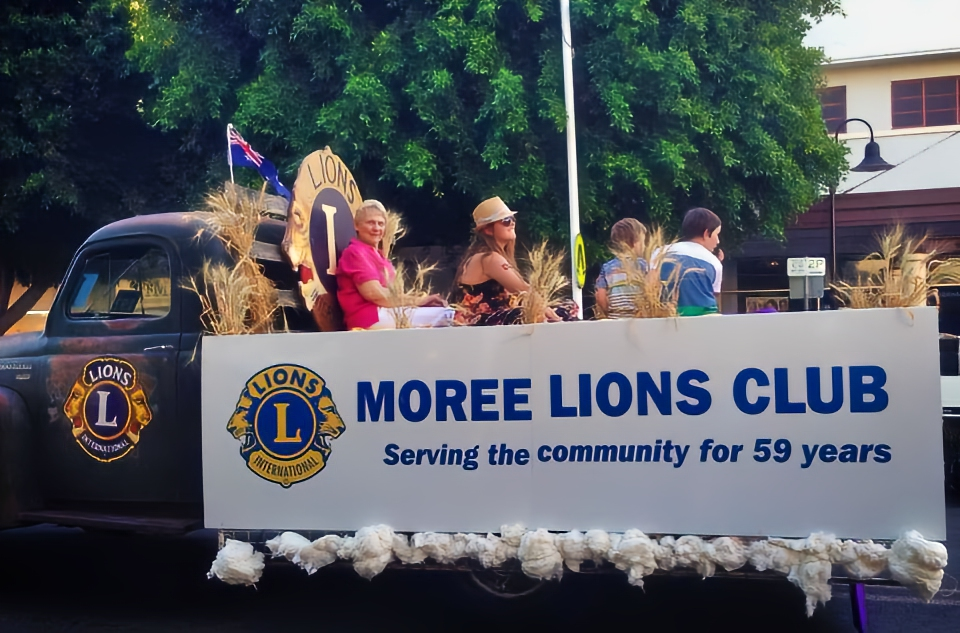
The first Festival of the Golden Grain was held in April, 1964, and another festival was held in December the same year.
In subsequent years, the Golden Grain Festival, held until around 2013, was an annual event in November.
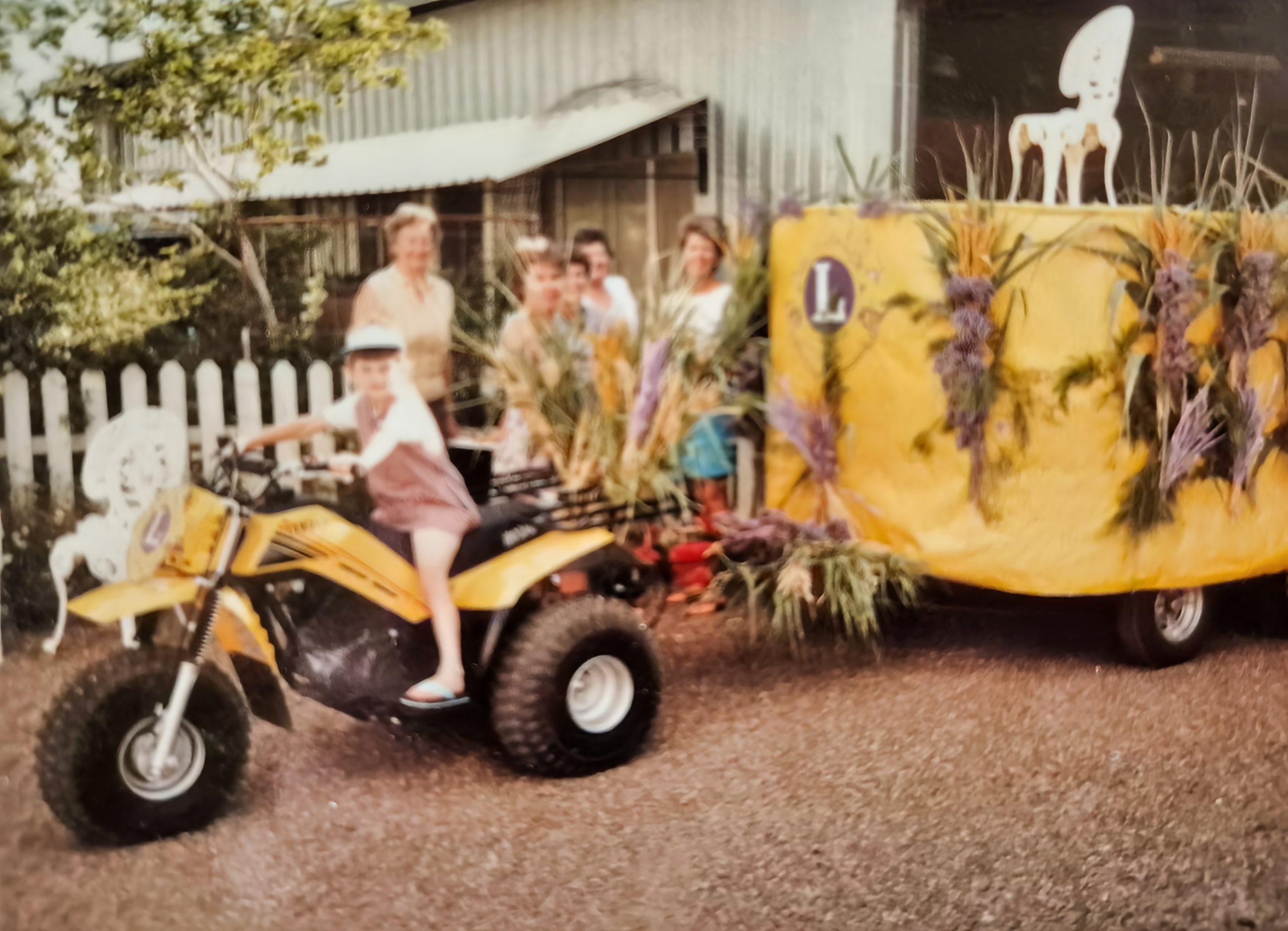
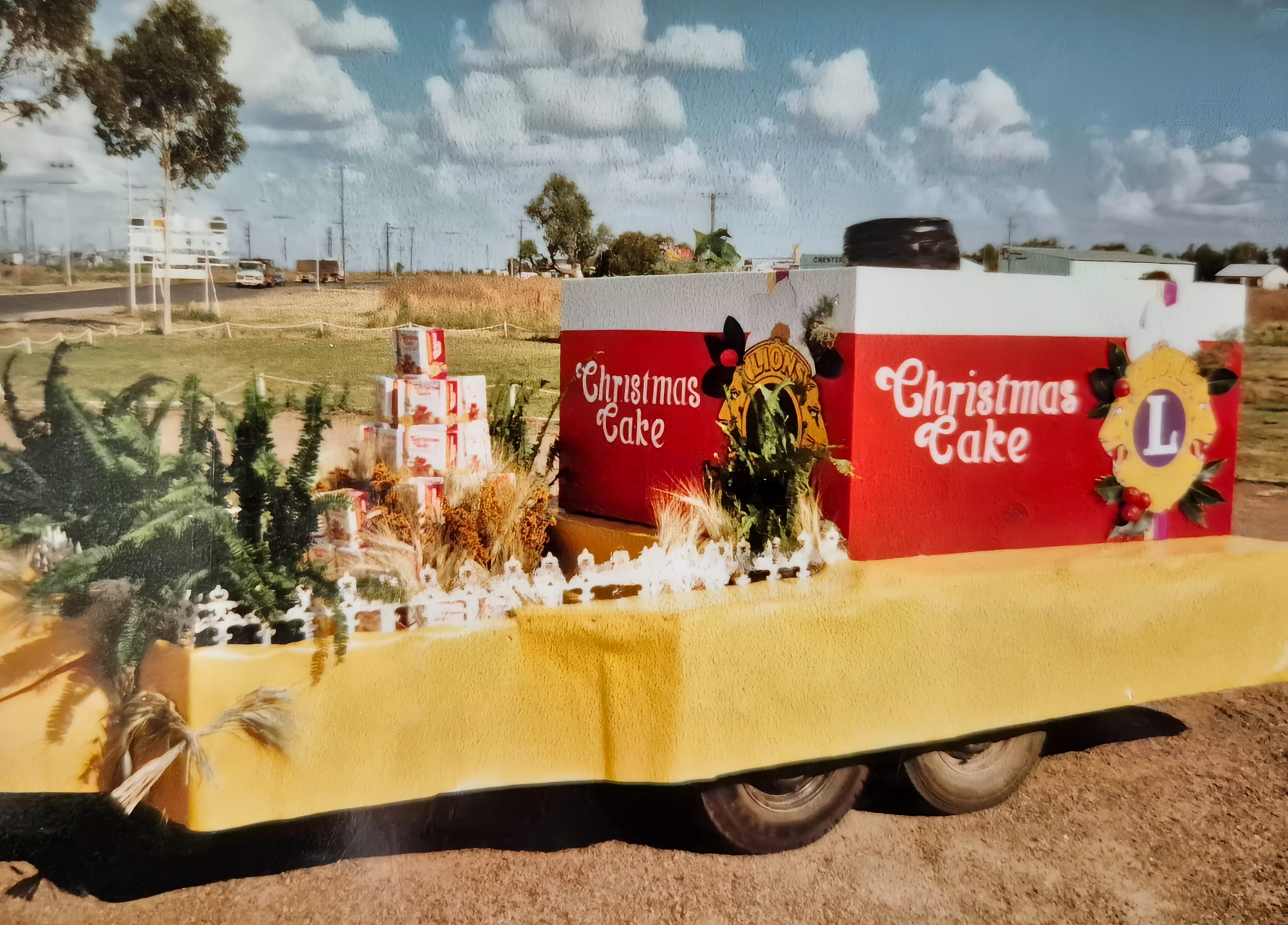
The festival, featuring a huge parade along Balo Street, celebrated the north-west wheat harvest and brought a cavalcade of floats and attractions to the CBD.
Early days
Lions International was founded in America in 1917 with headquarters in Chicago, and created to “unite on the basis of unselfish community service”.
The organisation more than doubled membership by 1920 and extended to Canada, Mexico and China before establishing a worldwide presence.
The first Lions club in Australia was formed in Lismore in September, 1947, largely through the efforts of Bill Tresise, a former national president of Apex.
In the 1940s, the compulsory retirement age for Apexians was 40.
As that age approached, Tresise, a plasterer and hardware store owner, unsuccessfully tried to introduce a senior Apex movement.
In 1946 in Chicago, Tresise met with secretary-general and founder of the Lions Association, Melvin Jones, and was appointed a provisional District Governor, with the power to form Lions Clubs in Australia.
Back in Australia, Tresise called a meeting of Lismore businessmen and professionals and convinced enough members to form a club.
The first president, Jim Brown, received the club’s official charter in September, 1947. Moree Lions Club was formed seven years later.
Tresise told the Lismore dinner guests: “Lionism is a means to accomplish, through fellowship, the desires so inherent in the heart of man to be democratic, to strive to be better citizens, assist institutions which care for the poor and suffering, take an active interest in community affairs, interest ourselves in our own country’s welfare, and that of the world, strive always to maintain our democratic way of life, and fight earnestly to preserve our freedom.”
In 1958, Lions Australia’s first national project raised £50,000 – nearly $2million in new millennium dollars – to establish the Lions National Eye Research Unit in Victoria.
Globally, by 1960, there were more than 600,000 Lions in 14,678 clubs across 103 countries.
Moree Lions roar
Closer to home, Moree Lions hit the ground running with fundraising commitments.
In 1956, under the leadership of president Theo Humphreys, the club raised £250 (nearly $10,000) to purchase a resuscitator for Moree Hospital.
Two years later, president Alf Sadlier presented Moree Municipal Council with a cheque for £2621 (nearly $100,000), proceeds from the inaugural Princess Carnival Week.
The bulk of the money, £1390, was raised by sports princess, Janice Armstrong.
In 1961, under president Sid Steel, a shadowless lighting system valued at £540 ($18,500) for the operating theatre at Moree Hospital was delivered, and Moree Aboriginal School received projection equipment valued at £200 ($6800).
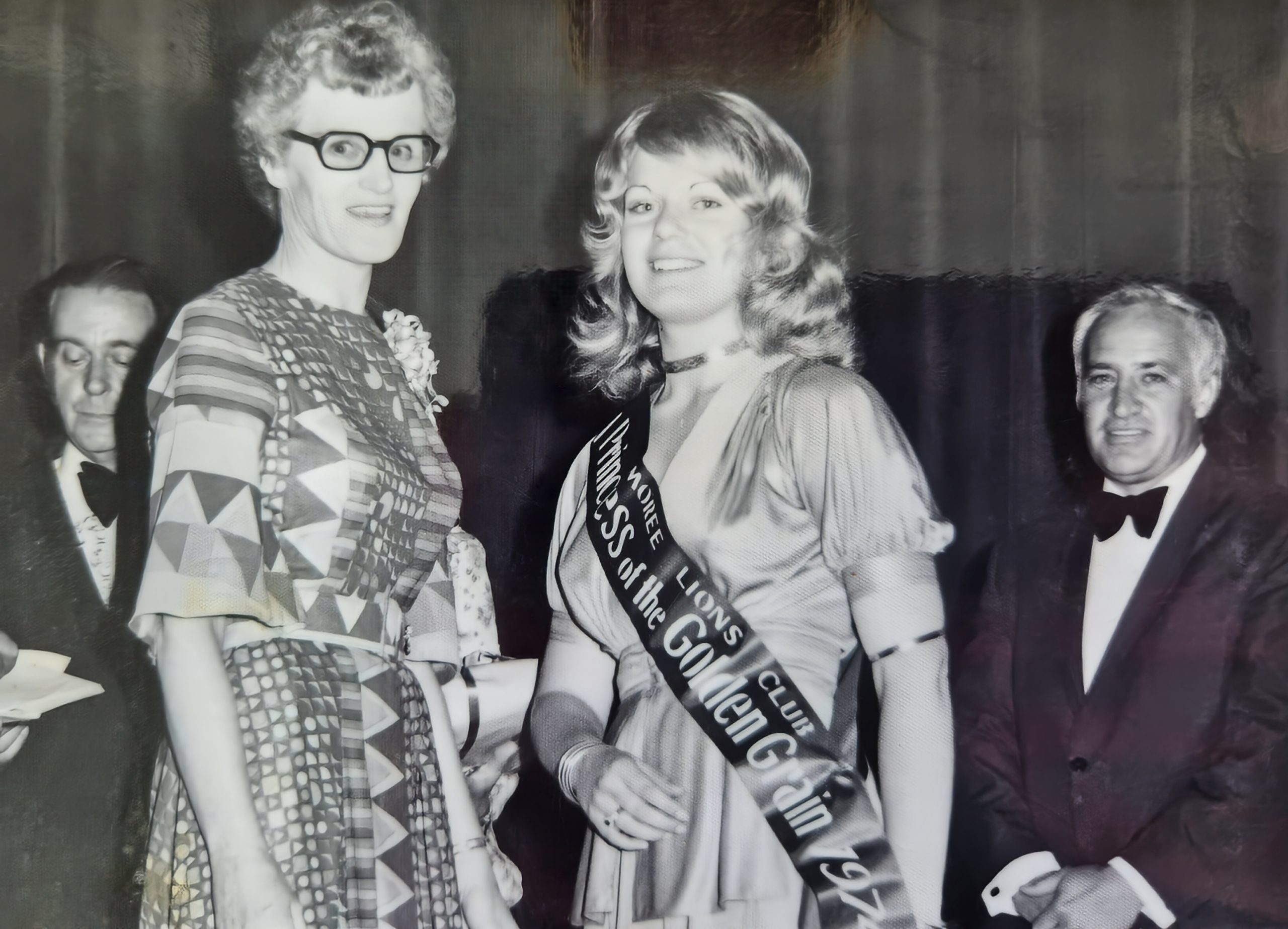
In 1974, the Charity Princess title was introduced to the Golden Grain Carnival, in conjunction with the Golden Grain Princess.
Barbara Keam was named Golden Grain Princess and the inaugural charity princess crown went to Kathy Reid, who raised $1025.
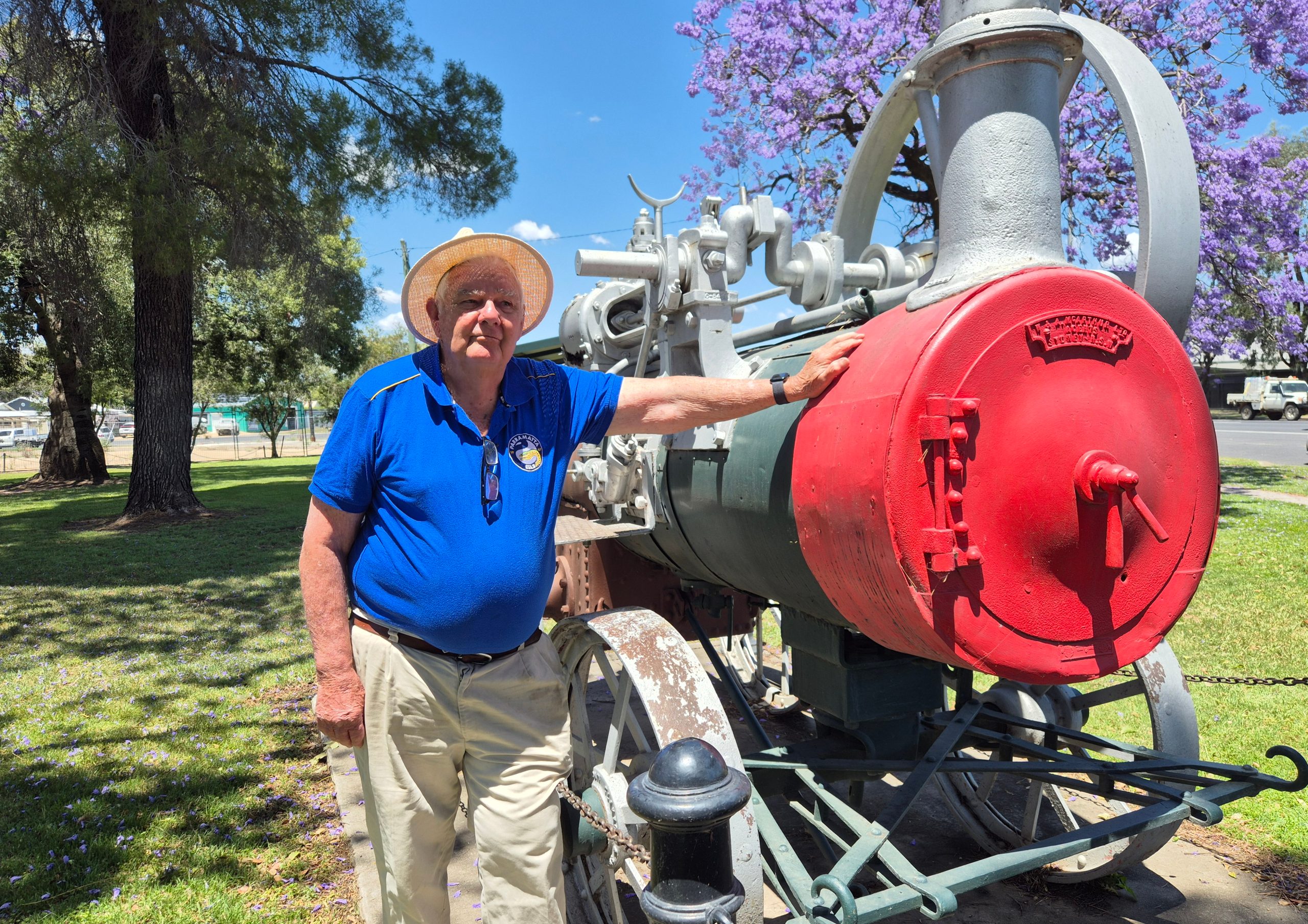
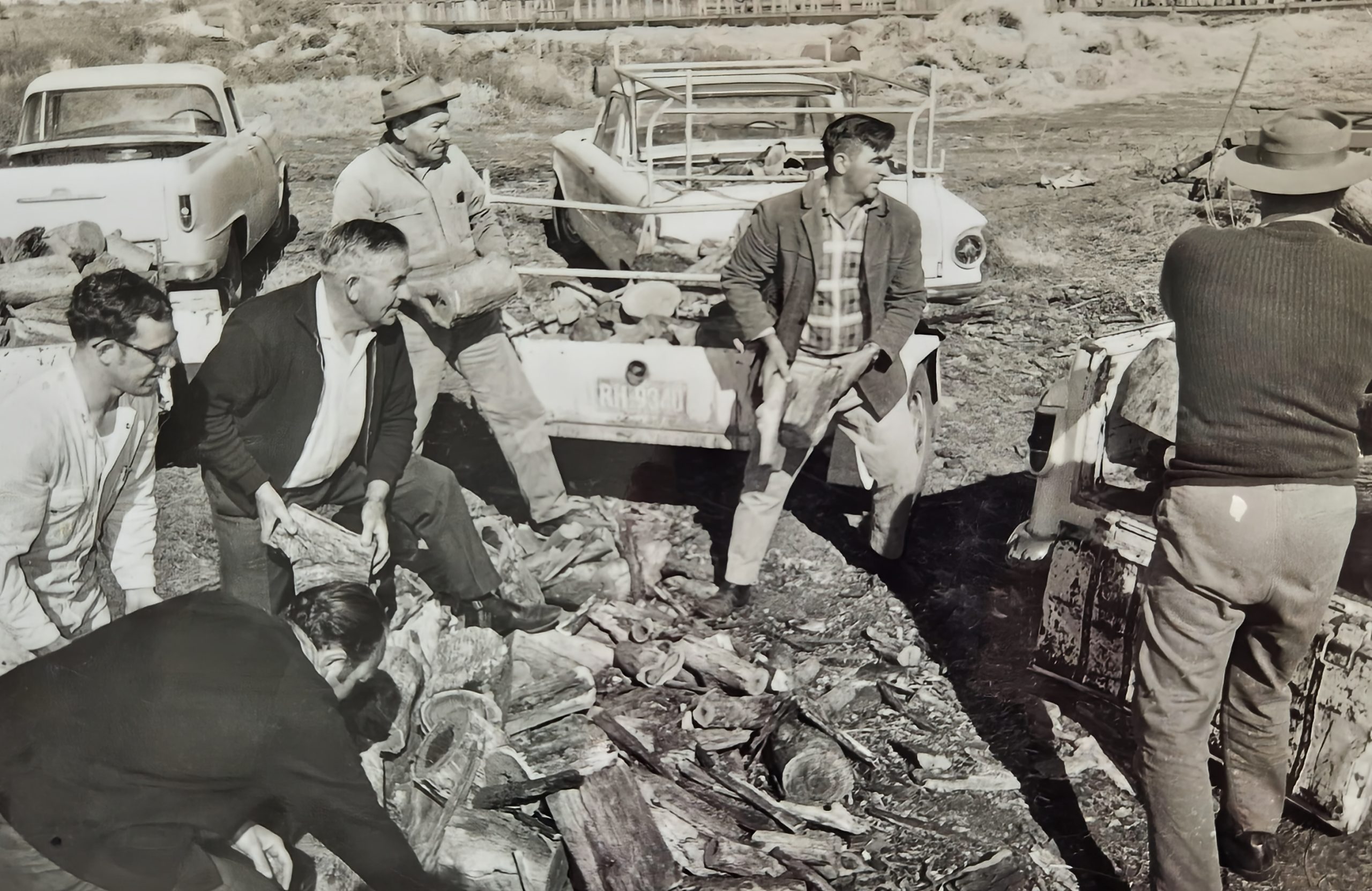
The same year, a steam engine and outdoor furniture was installed at the park area on the corner of Balo and Bridge Streets.
Former Moree Lions president, Col Arthur, remembers the steam engine well.
“It was the steam engine that powered the Midkin 26-stand woolshed,” Col said.
“When a diesel engine was installed to power the shed, one of our members, Peter Gaj, got the steam engine for Lions and towed it back to town behind his old Vanguard ute – it took him two or three days,” Col chuckled.
Miss Personality Quest
In 1977, Moree Lions was affiliated with the Miss Personality Quest, a State zone competition.
Sheryl McEwan was Moree Lions first entrant.
In subsequent years, Gillian Sims, Narelle Quast, Joanne Kelly, Joanne Baker, Jenny Johnson, Leigh Hardman, Sue McDowell, Allison Cooper, Elizabeth Dickson, Deanne Gillan, Leanne Watts, Kathleen Campbell, Jo Cook, Angela Seville, Belinda Davies, Jamie Cavanagh, Megan Beattie and Tracy Crawford represented Moree Lions at the State awards.
The club’s crowning achievement came in 1983 at the Hyatt Hotel in Sydney when Leigh Hardman was named NSW Miss Personality.
In 1989, Moree Lions Miss Personality entrant, Jo Cook, raised $15,300 – her mother, Janice, raised £1390 as sports princess 31 years earlier.
Coincidentally, Janice won a car in the Lions raffle the same year.
During the 20 years Moree Lions was involved in the Miss Personality Quest, more than $105,000 was sent to Lions NSW’s Save Sight and Public Health Care Foundation.
Golden Grain Festival
The Golden Grain Festival and Ball became an annual event in 1964 when known as the Carnival of the Golden Grain.
In 1979, the name changed to the Golden Grain Festival and in 1991 became the Golden Grain Cotton Festival.
The festival, last held in about 2013, raised tens of thousands of dollars for the Moree shire over many years.
Recipients include Fairview Nursing Home (now Whiddon), Moree District Hospital, Gwydir Industries, Moree Ambulance, Moree PCYC (formerly Moree Boys’ Club and Moree Youth Club), Moree Band, Moree Caledonian Society Pipes & Drums, SES, Salvation Army, Moree Scouts, Moree Fire Brigade, Life Education Van, Cancer Support Group, Asthma Support Group, Moree Library and Moree schools.
Former Moree Lions Club president, Barrie Brooks, said the street carnivals were the talking point of town.
“The Golden Grain festival was a fantastic event and brought the community together, and each carnival was special in its own way,” Brooks said.
Winners of the coveted Golden Grain Cotton Princess title in recent years include Rachel Hann (2003), Kerry-Lyn Starks (2004), Sarah Jane Hutcheson (2005), Annabelle Cosh (2006), Melanie Austin (2007), Melissa Gardner (2008), Kimberley O’Brien (2009), Ella Williams (2010), Heidi Dell (2011) and Renee Robinson in 2013.
The Golden Grain Charity Princess pageant, held between 1974 and 1985, was won by Kathy Reid (1974), Caren Maunder (1975), Judy Keam (1976), Joanne Lowe, (1977), Joanne Hutton (1979), Liz Philps (1981), Carol Hayes (1982), Debbie Buckland (1983), Julie Sutton (1984) and Jacque Sinclair in 1985.
Jacque, the last Lions Golden Grain Charity Princess when crowned 39 years ago, paraded up Balo Street in a horse and cart expertly handled by family friend, Peter Matthews.
“I was nearly 18 at the time,” Jacque smiled.
“A friend, Julie Woods, was the winner the previous year, and Julie, Letitia Bryant and my sister, Carol Rigby, helped me raise money.
“We did different fundraising, including our version of the television show, Perfect Match, at the Services Club. There were also discos at the PCYC and a bike ride.
“Being involved in it all was a treasured experience, and the Lions were so good to all the girls – they treated us like royalty,” Jacque said.
“Everyone back then aspired to be part of the Golden Grain Princess competition.”
Former Moree Lions president, Col Arthur, said the street parades were cherished memories.
“Sadly, we ran out of man-power. When they ended, we just couldn’t go any further because we did not have the numbers – it took a lot of people to organise those events,” he said.
Memories
Col sat at the head of the table three times – 2004, 2013 and 2021 – and was an active member for 27 years.
“Those years mean a lot. I had a lot of good times and met and made many good friends, not only here but on the many time we travelled away. I was on district cabinet for seven years, and met many good people,” Col said.
“Being involved with Lions has been one of the best experiences of my life . . . friendships and the things we’ve done mean a lot.
“One of the highlights was when Lions International had a Save Sight fundraiser and worldwide we raised 500 million dollars.
“That’s been held three times now, and I was on the New South Wales committee for that,” he said.
Time capsule
A time capsule locked away in 1962 was opened 50 years later by world champion cyclist and international cycling coach Gary Sutton, to coincide with Moree’s sesquicentennial celebrations.
The time capsule’s statement noted: “Projects completed to date are listed hereunder and represent a total of over £9000 raised and expended in the interests of charity and other needy causes. It would be impossible to assess the number of voluntary manpower hours worked by the members of the club over eight years, but the compiler of these records is firmly of the opinion that at least 25,000 hours were worked on the various projects and on the fundraising projects.”
The money raised between 1954 and 1962 by Moree Lions is the equivalent of $310,000 in new millennium dollars.
Major donations included a two-way radio for Moree Ambulance (£850), teacher and children’s desks and tables at East Moree Convent School (£120), annual pensioners’ dinners for four years (£300), two resuscitators for Moree Hospital (£655), Cyclone fencing for Moree velodrome (£550), scientific equipment for Moree High School (£170), cost of lining Moree Band’s practice room (£550), and the construction of a tennis court, club room and lighting at Moree Hospital (£300), with voluntary labour by lions Club members.
The time capsule’s statement, read out in 2012 by then-Moree mayor Katrina Humphries and then-Moree and District Historical Society president Stephen Ritchie, said: “The Moree Lions Club of 1962-63 sincerely trust that at the opening of the vault, the Moree Lions Club is much stronger in numbers and is playing an important part in Moree’s progress and welfare, as we Lions have endeavoured to do during our eight years in action here.
“At present, our population (municipal) is approximately 7200 and the general consensus of opinion in this year is that Moree’s population by 1973 will be in the vicinity of 12,000 and will no doubt be a prosperous city 50 years hence.
“Our motto has always been to build the towns in which we live, and put it in our hearts to give. We feel sure the Lions in 2013AD – what a long way, away – will be doing an even better job than we have done.”
Words: Bill Poulos
Images courtesy of Col Arthur and Moree and District Historical Society