
IT’S all about removing the car from the person trapped, not removing the trapped person from the car.
NSW Fire and Rescue firefighters from Moree last week conducted essential skills maintenance training at the Moree Rural Fire Service’s Tycannah Street depot to keep on top of ever-evolving motor vehicle technology.
Training drills focused on the use of hydraulic rescue equipment, ensures firefighters remain prepared for emergency response situations.
The hands-on training involved a range of scenarios that firefighters may encounter during rescue operations.
Specialised hydraulic tools, including spreaders, cutters and rams were deployed to simulate vehicle extrications and other rescue situations.
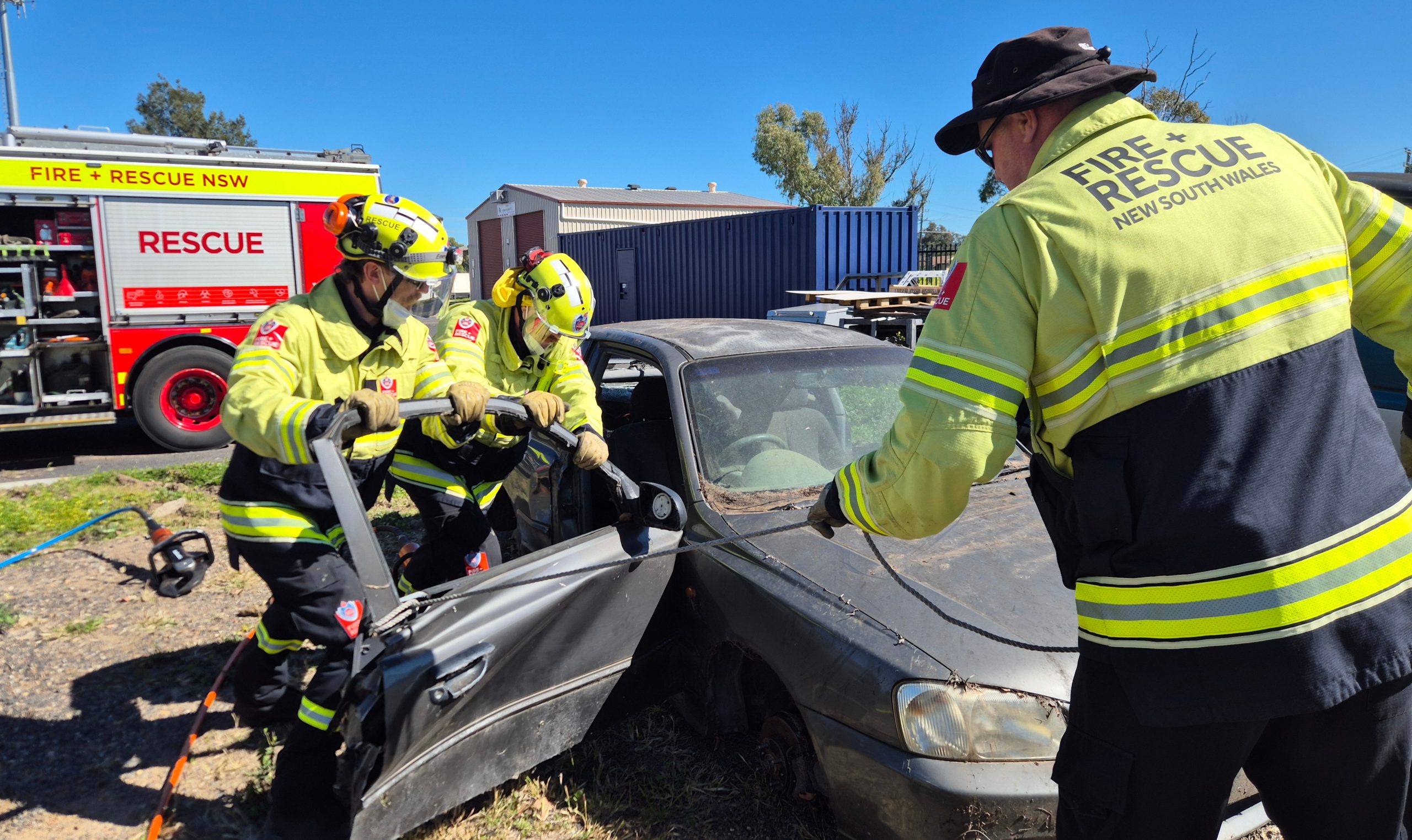
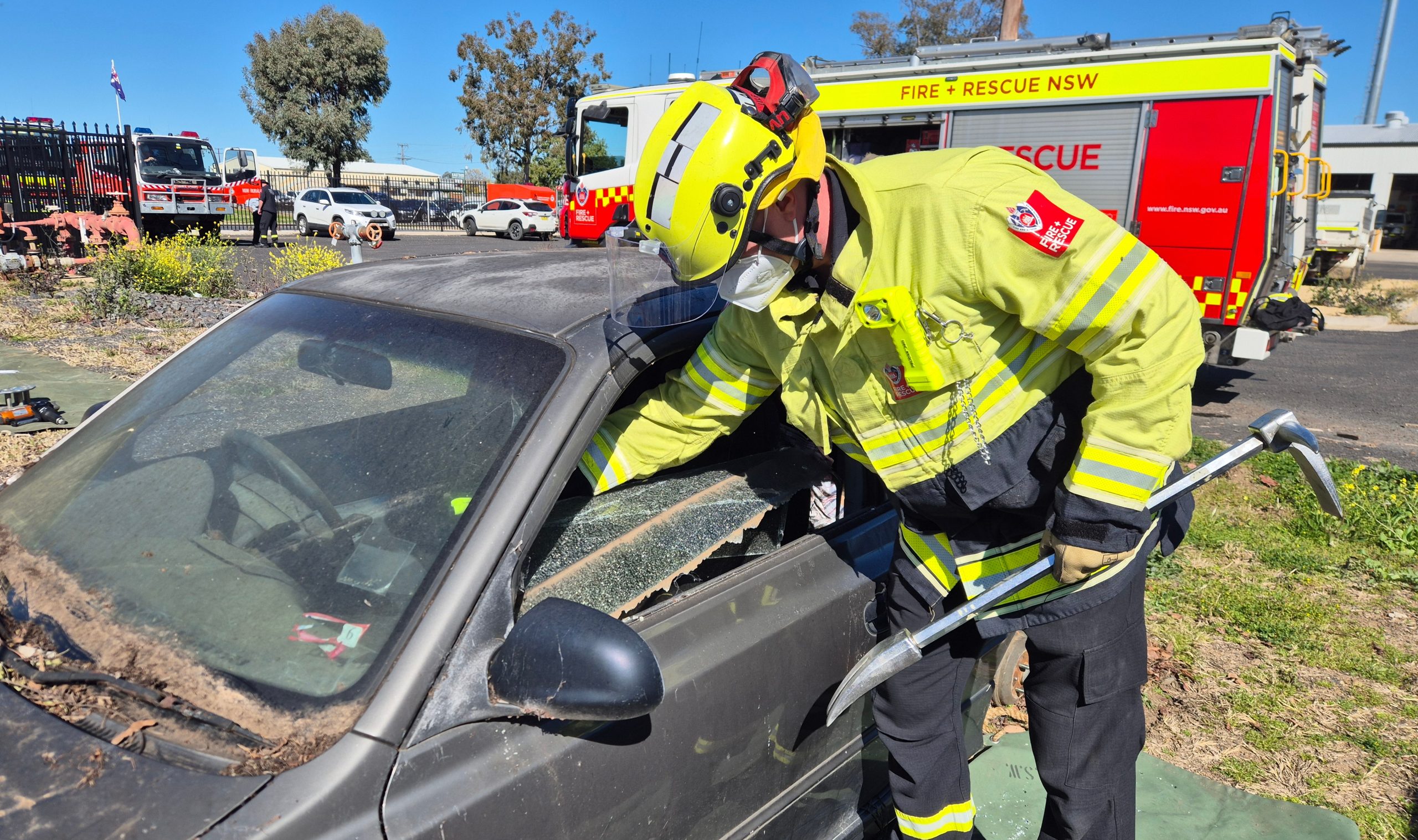
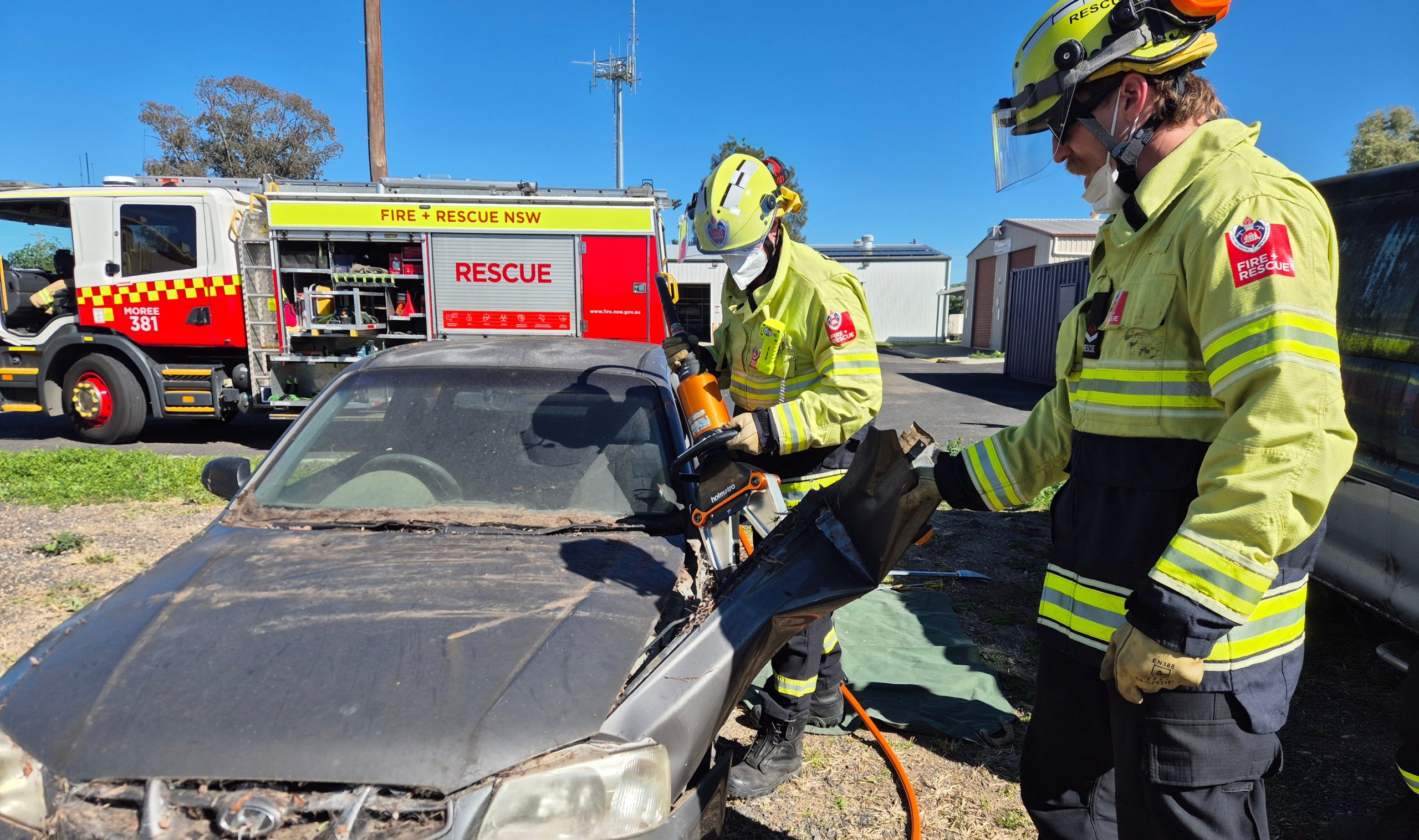
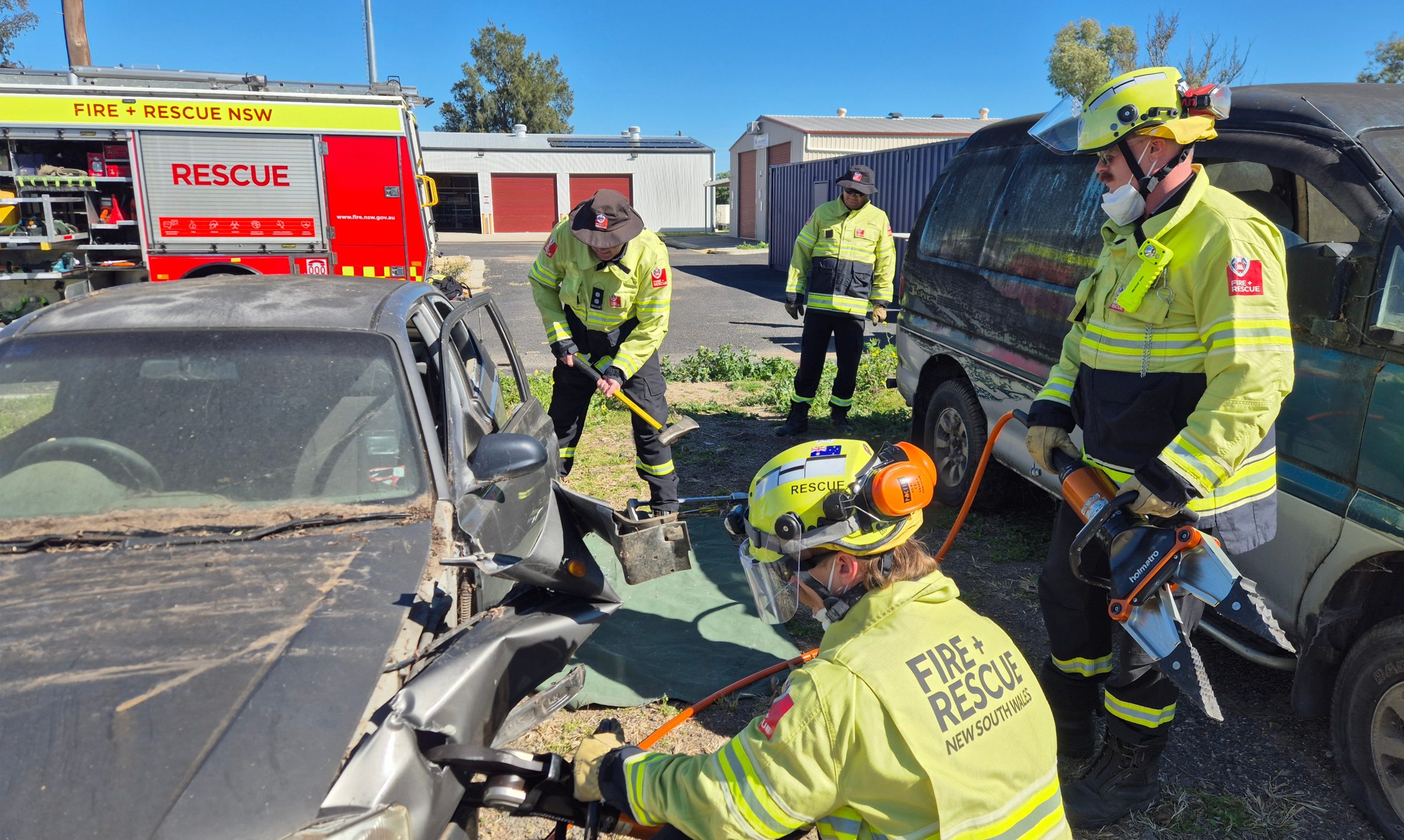
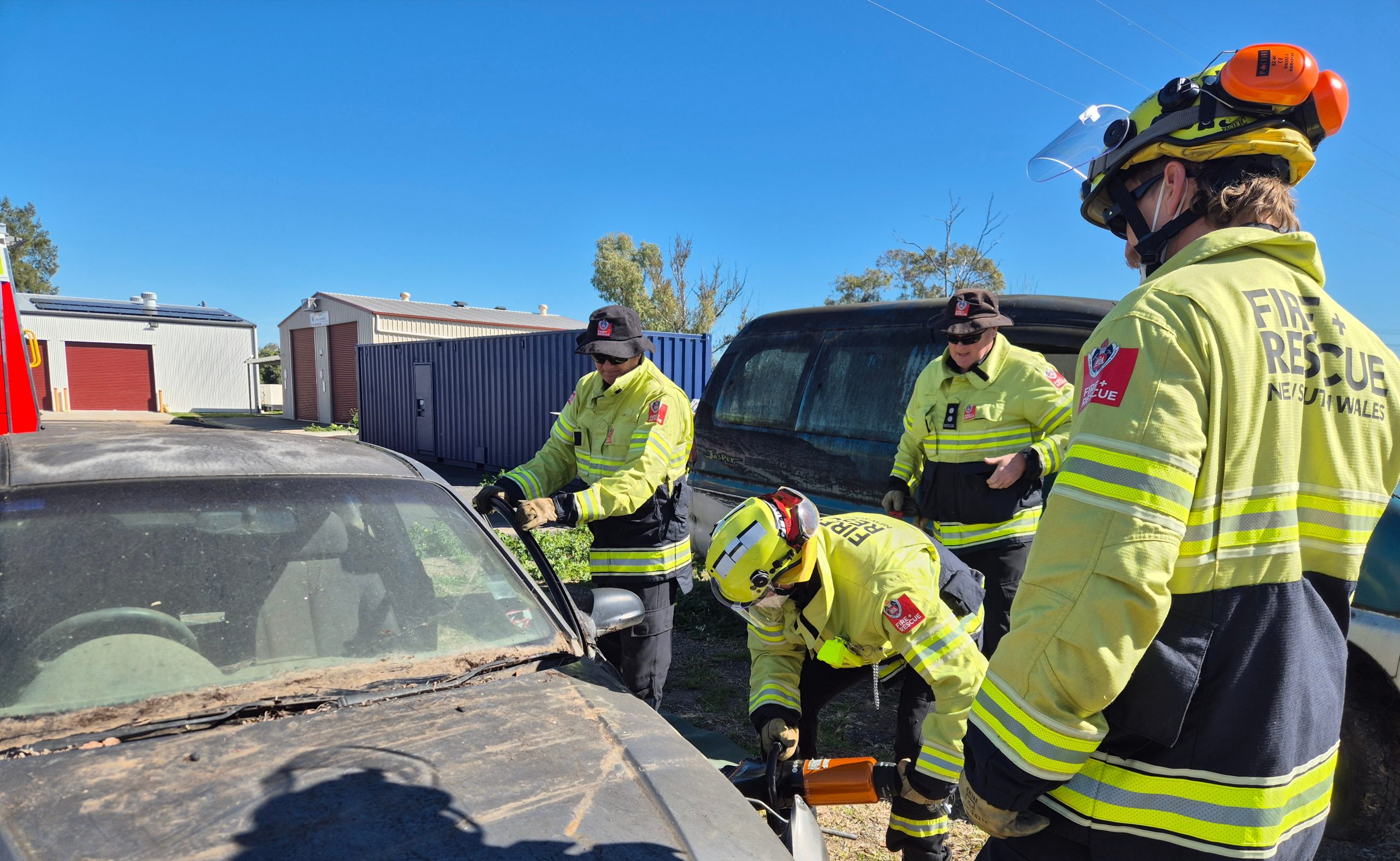
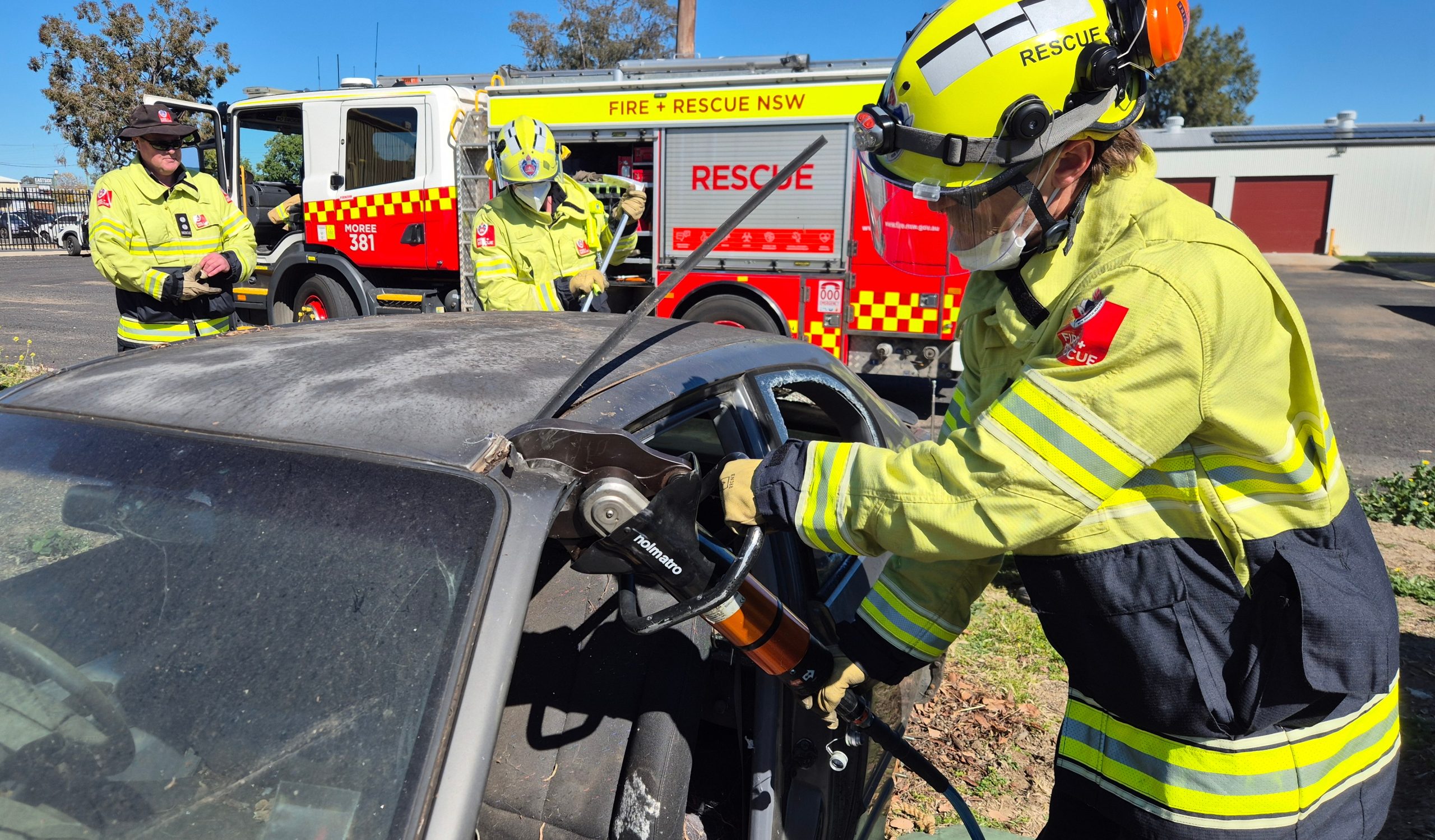
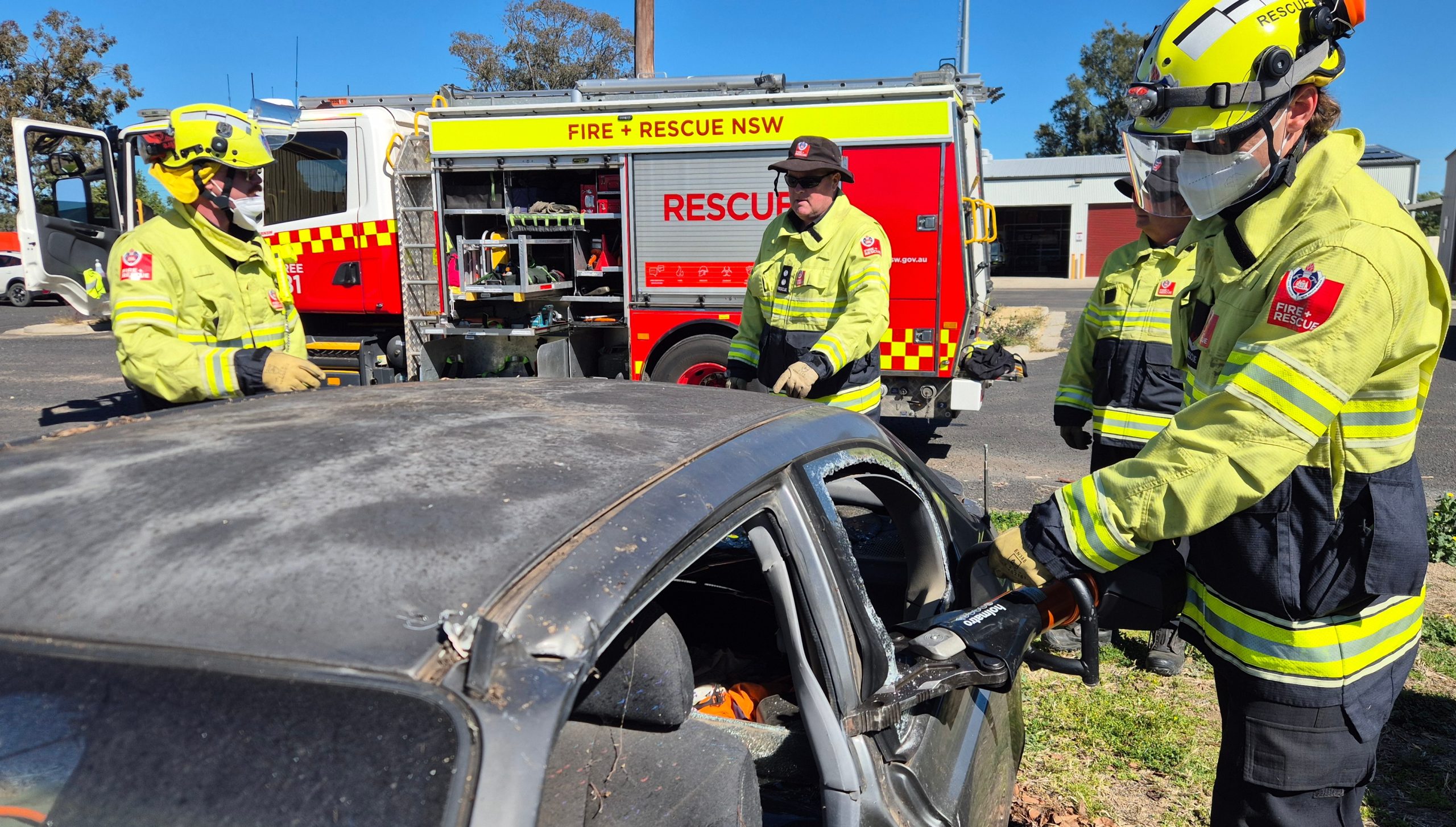
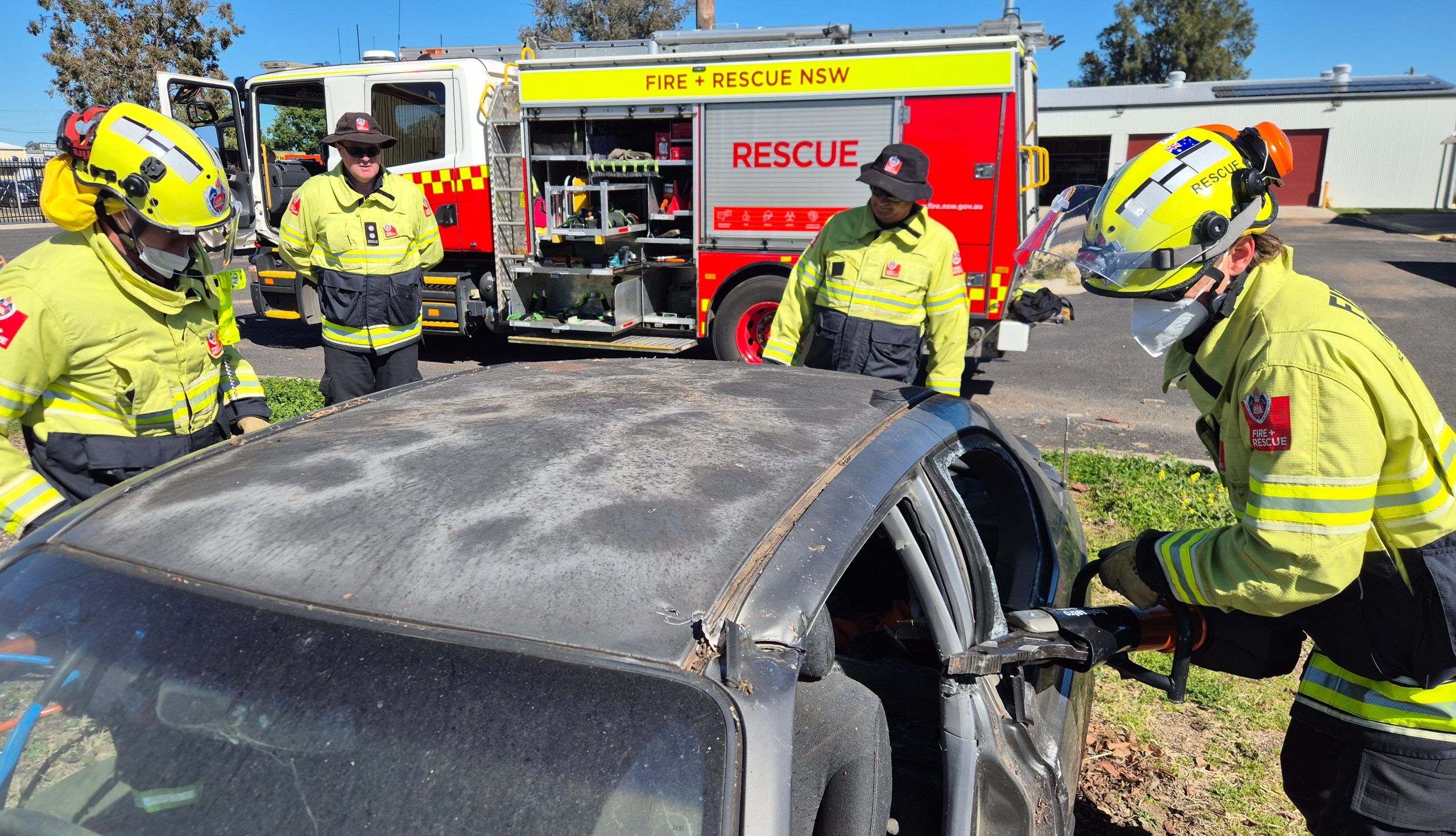
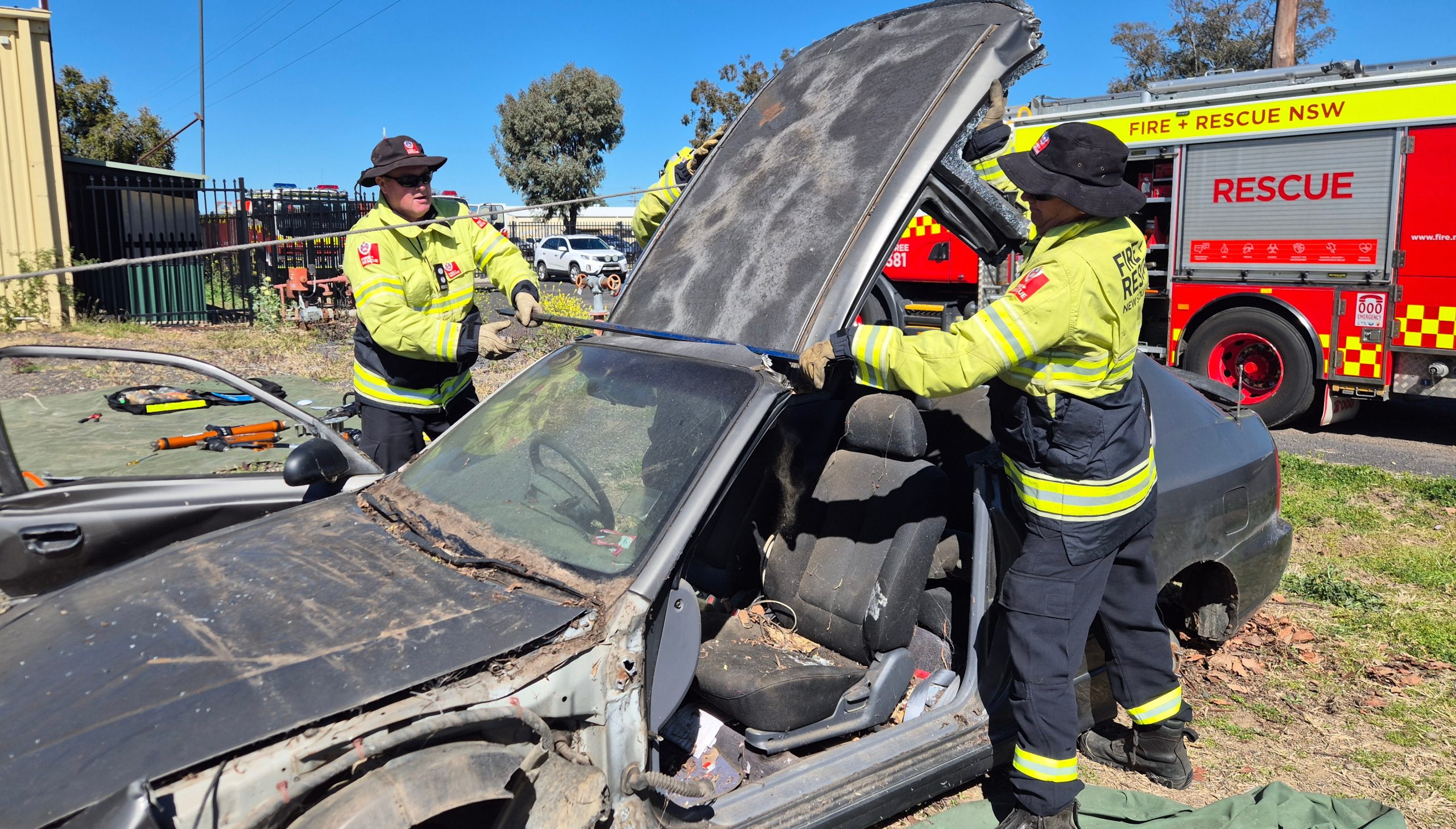
Senior firefighter Mark Cahill, who will later this year be promoted to the role of station officer in Moree, said the primary goal is to maintain and enhance skills to keep the community safe.
“Heavy rescue training is crucial, as it equips our firefighters with the necessary techniques to save lives in high-pressure situations,” Mr Cahill said.
Training focused on the mechanical aspects of the equipment but also underlined teamwork, communication and safety protocols.
Firefighters practiced co-ordinated efforts to swiftly and effectively free trapped individuals in various simulated scenarios, reinforcing the importance of collaboration during real emergencies.
“Training help maintain our skills, and the session this week also prepared one of our firefighters for assessment time to become a general land rescue technician,” Mr Cahill said.
A general land rescue technician is a firefighter with specialised skills and training to perform rescues in various and general land-based situations, including those involving vehicles, industrial incidents, and some wilderness situations.
“What he basically has learned to do, is to remove the car from the patient, not the patient from the car,” Mr Cahill said.
“We have ongoing training sessions and come out to the Rural Fire Service yard every six to eight weeks.
“There are always advancements and different ways to do this type of work, especially with the technology being developed in cars today – lithium-powered cars especially.
“They pose a significant risk to us, and with new technologies coming out, we have to continually adapt to the changes.
“We undertake this type of training quite regularly, and thanks must go to Moree RFS for allowing us to utilise their yard, as well as Brad and Doug from Hill Fitzsimmons Moree for supplying the vehicle for us to use,” Mr Cahill said.
Moree Fire Station is staffed by a team of permanent firefighters who are backed up by on-call fire-fighters – men and women who hold down regular jobs but are there when needed.
The call-out is now on to strengthen numbers at the Moree station.
On-call captain Blake Cosgrove said anyone interested go online to the fire and rescue website. “There’s a link where people can express their interest, or they can drop into the Moree station, collect some information, and have a chat about it all,” he said.
Interested?
Drop into Moree Fire Station and talk to crew members or go to Fire Up Your Career & Answer The Call.