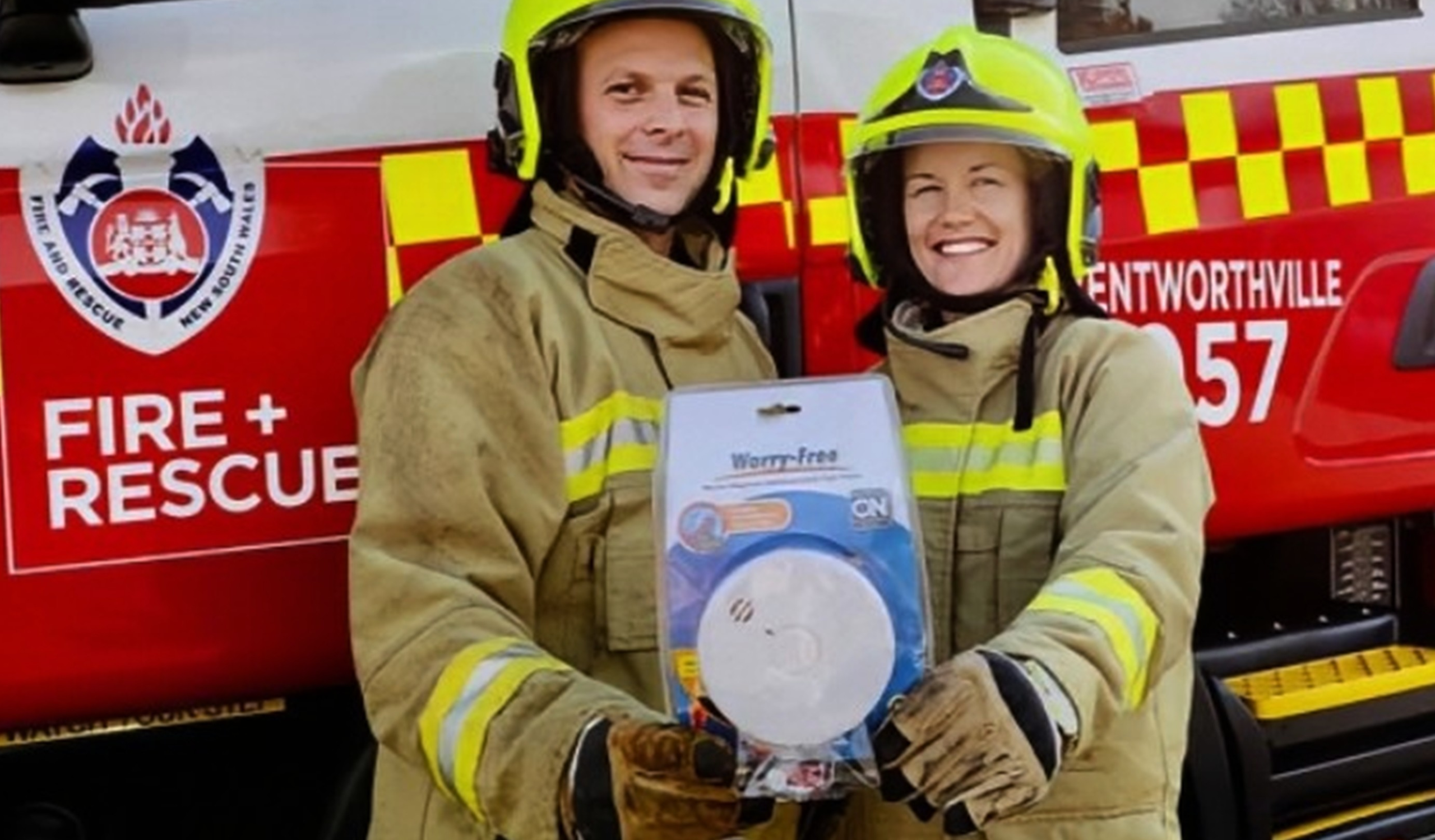
NSW fire agencies are urging everyone to check they have working smoke alarms after nine people died in residential blazes during winter.
Fire fatalities in accidental fires can be preventable, with working smoke alarms an important warning system for households.
FRNSW Commissioner, Jeremy Fewtrell, said that while statistics fluctuate year on year, one number that needs to change remains steady.
“In almost half of all fires we attended this winter, there was no smoke alarm or it was not working,” Mr Fewtrell said.
“Many people don’t realise that we can’t smell smoke while we sleep, so if there’s a fire, without a working smoke alarm, you might be asleep and succumb to the smoke.
“People must have a working smoke alarm installed on every level of your home and ensure it is checked regularly. That’s the best way to avoid tragedy and keep your loved ones safe.
Emergency Services Minister, Jihad Dib, reinforced that home fires are a risk all year round.
“People are putting their lives at risk if they don’t have working smoke alarms in their homes,” Mr Dib said.
“As we change seasons now is a good time to check that smoke alarms are working.
“When it comes to the cause of fires, it’s important the people are not too distracted whilst cooking – yet it’s concerning to see that it’s still the place where most household fires start.
“We encourage people to reach out to their local fire station to learn how to protect themselves against a fire in their home.”
Fire and Rescue NSW records show that between June 1 and August 31 this year, 1020 residential fires occurred in New South Wales resulting in 94 people being injured.
Stats show 375 fires started in kitchens or cooking areas; 111 in loungerooms; 71 in bedrooms; and 39 in laundries.
Leading causes include human activity such as unattended cooking, overloading power boards and leaving items close to heaters and electrical faults.
This year’s loss of nine lives as a result of fires compares with 12 during winter last year.
NSW Rural Fire Service Commissioner, Trent Curtin, said it is particularly important for residents living in rural or remote areas to also have an effective evacuation plan, so they can stay safe until emergency services arrive.
“Households should discuss and practice their plan so that all occupants know what to do in the event of a fire,” Mr Curtin said.
“Being prepared is your best protection against the risk of fire, and having a working smoke alarm and a well-rehearsed escape plan could mean the difference between life and death.”
For more information or to book a home fire safety visit, go to Fire NSW Home Safety Visit.