
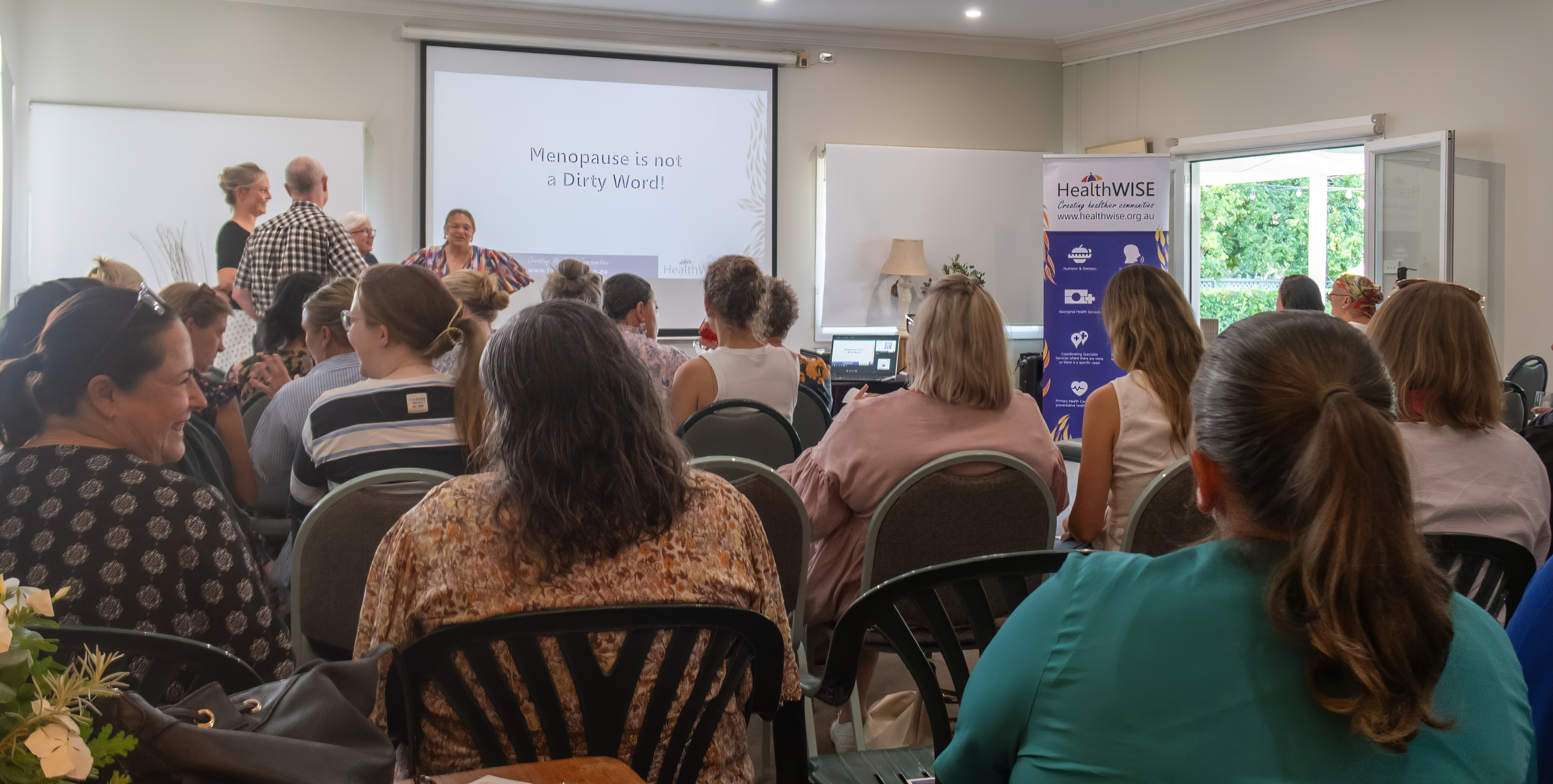
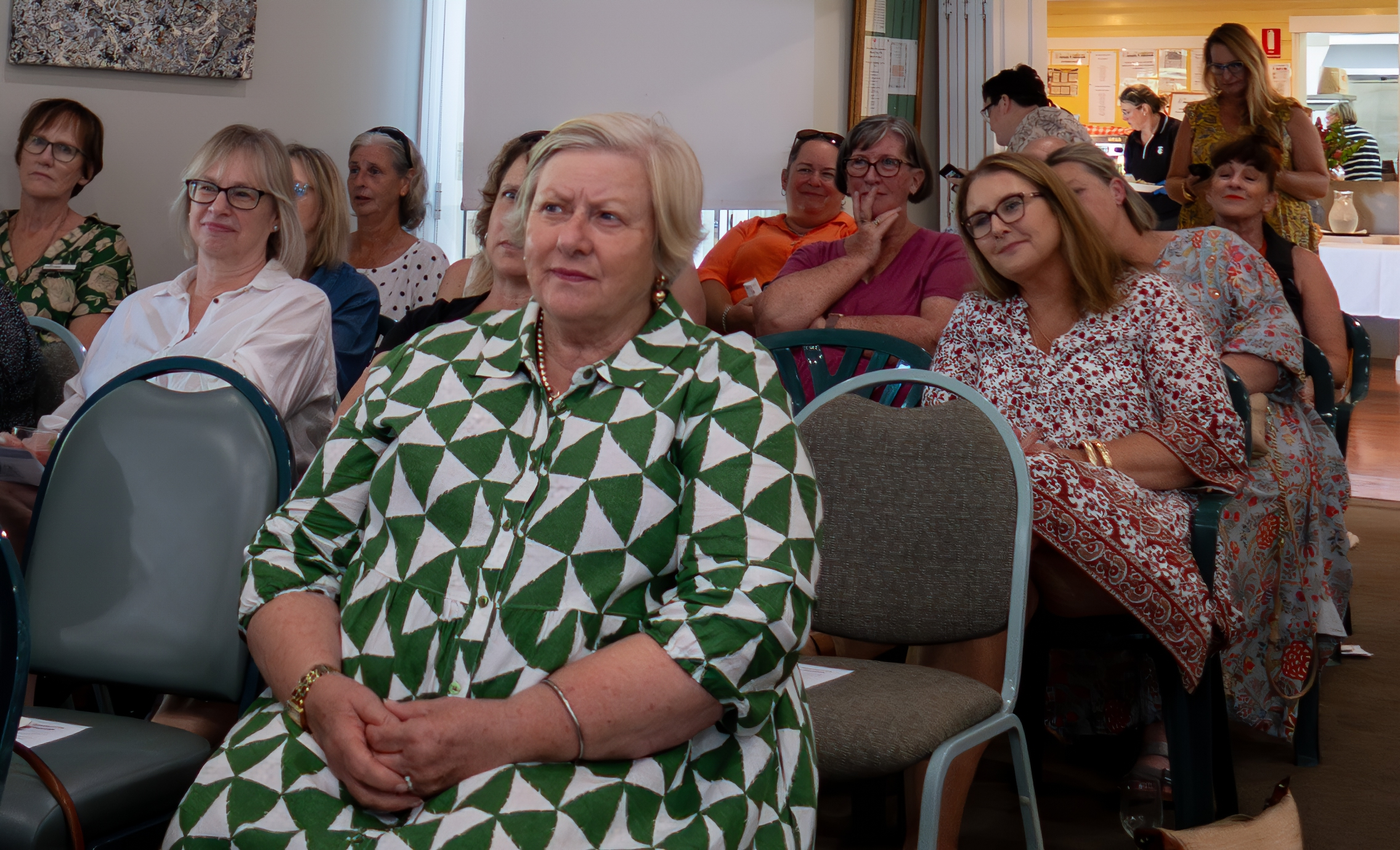
MENOPAUSE, a life-phase affecting 50 per cent of the population, was the focus of discussion at a forum in Moree last week.
The demand for menopause education was evident when the event series launched to a full house at Tamworth last year.
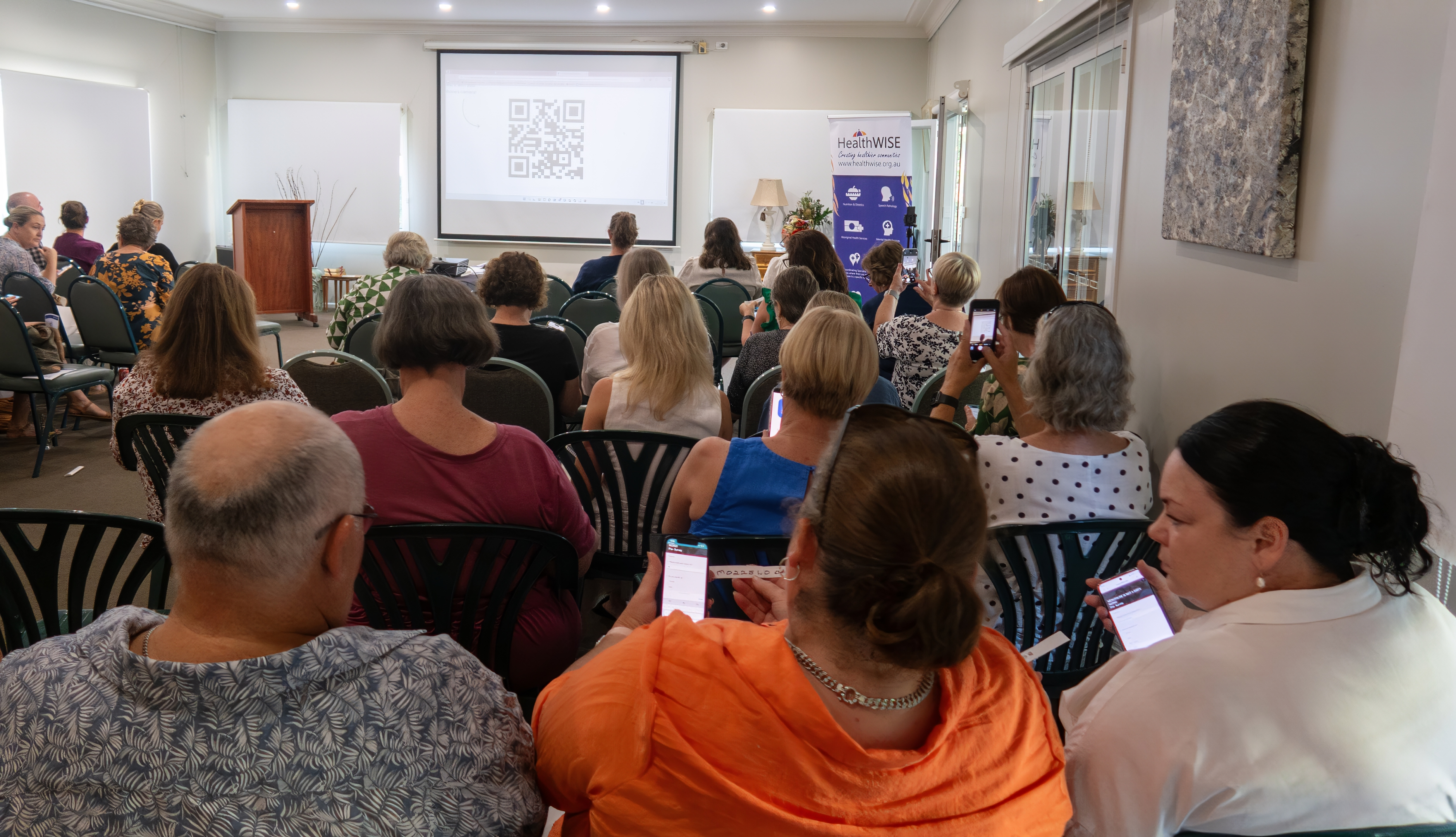
Seats for the Moree forum, held at the Moree Town and Country Club, sold out in a matter of days.
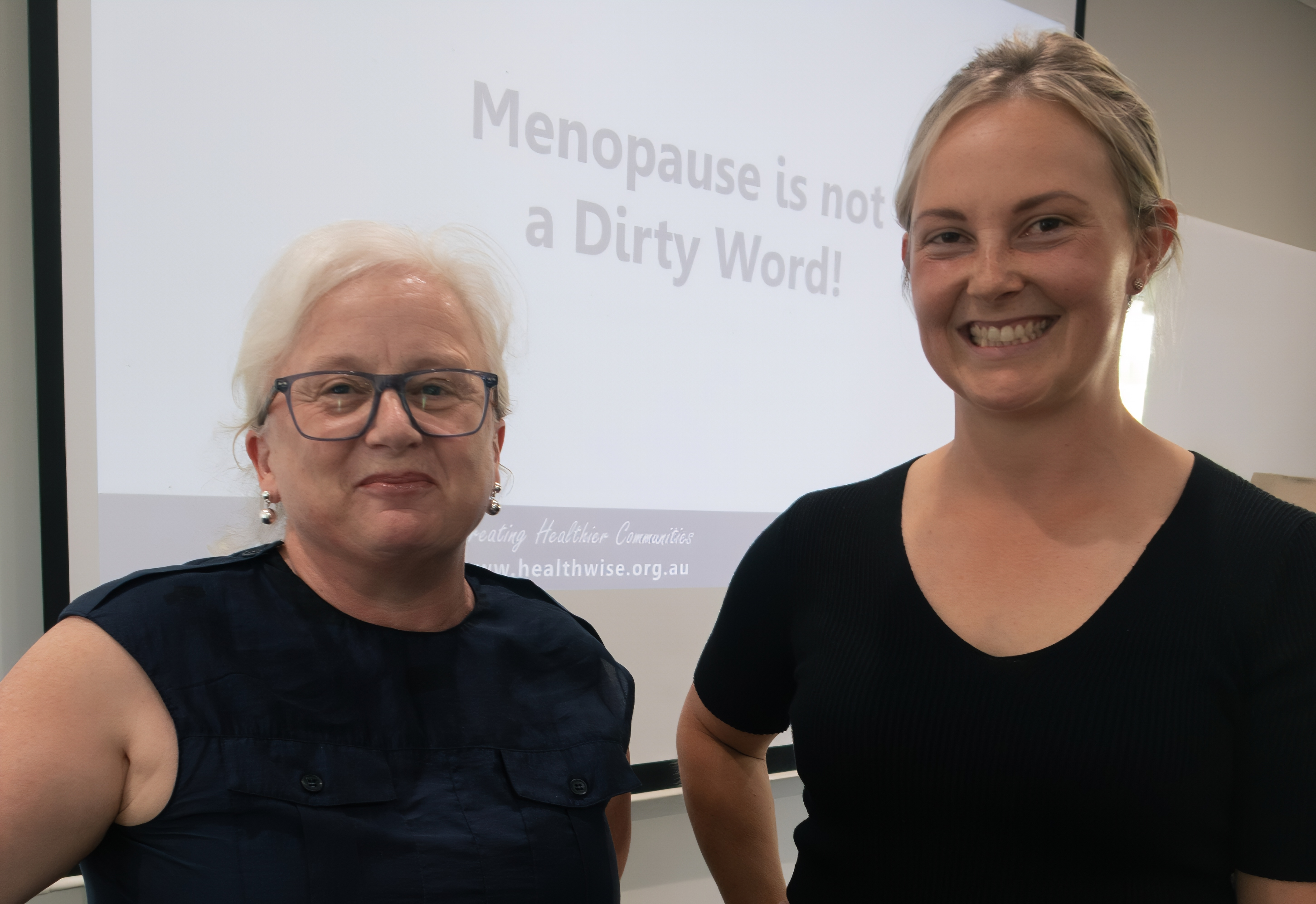
A group of women from Moree non-profit organisation HealthWISE, created the free health education forum Menopause is Not a Dirty Word after connecting over a lack of education and resources, said HealthWISE health promotion and wellness officer, Emma Knights.
“We decided rural and regional women need access to solid information, the latest research and treatment options, support, and to get together and share their stories,” Emma said.
Also sharing insights were Gwydir Medical general practitioner, Dr Callum Fealy, HealthWISE dietitian, Dr Amy Ashman and Moree physiotherapist, Alex Valeontis.
Attendees said barriers they encountered were a lack of knowledge and awareness and difficulty finding general practitioners in the region who were educated on the topic.
Ms Valeontis stressed the need to view menopause as a life stage – not a disease – and said every woman experiences it differently.
“It’s so important to talk about it because so many women are suffering with symptoms, especially with the pelvic health side of things, and might be too embarrassed to seek help, or they don’t know that there’s help actually available to them,” Ms Valeontis said.
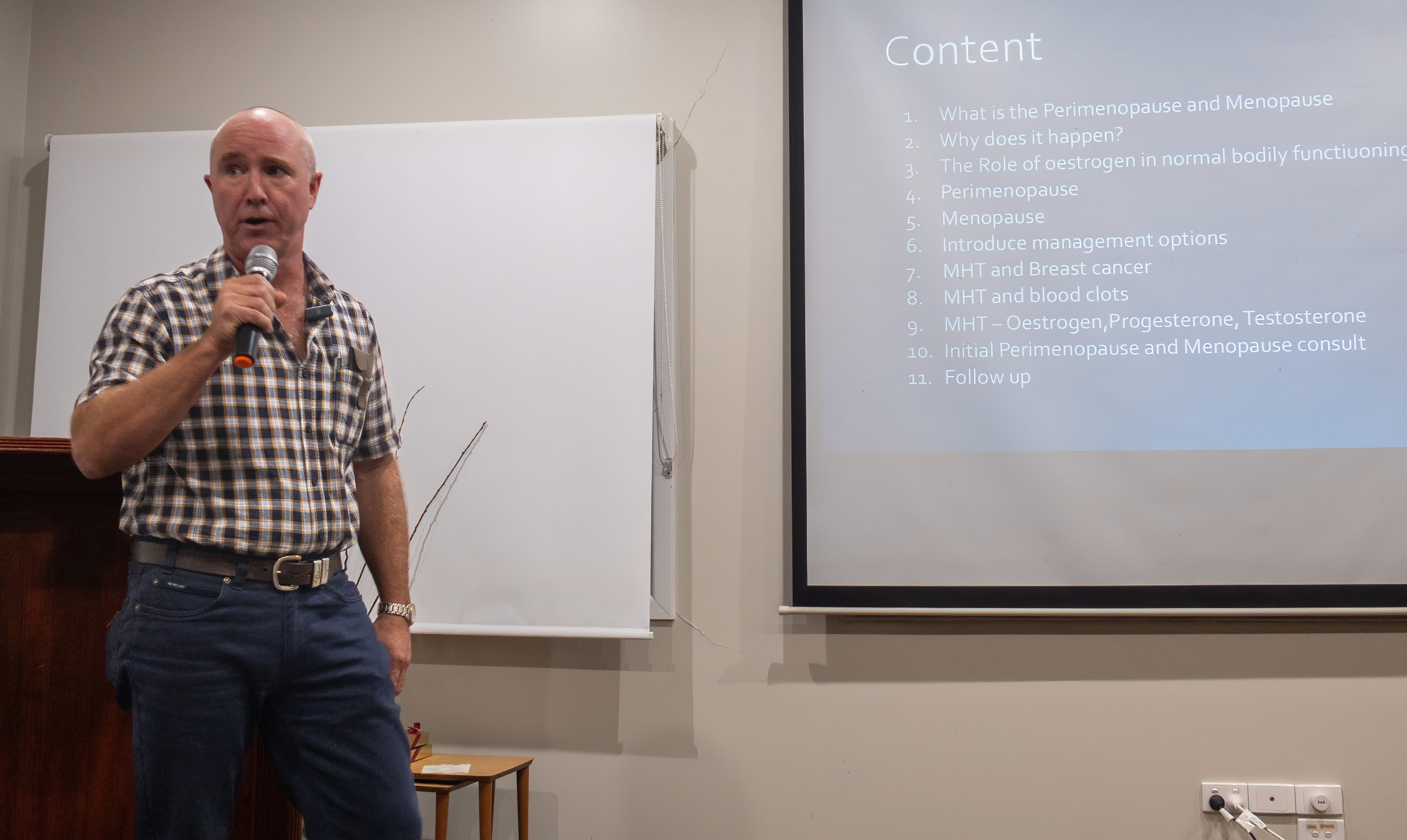
Dr Fealy said menopause often isn’t on the radar for health professionals, adding it was a complex and rapidly developing field.
His talk focused on educating women about how menopause affects their bodies, management options and dispelling the myth hormone treatment increases the risk of breast cancer.
“I like to think of it as puberty in reverse,” Dr Fealy said.
“But instead of your ovaries waking up, they are signing off.”
He said the menopausal transition can affect sleep, memory, mood regulation, the nervous system, bone health and skin.
“It’s tumultuous and women are thinking, ‘what is happening to me’.
“It’s poorly recognised by women, poorly recognised by their partners and poorly recognised by a lot of doctors,” Dr Fealy said.
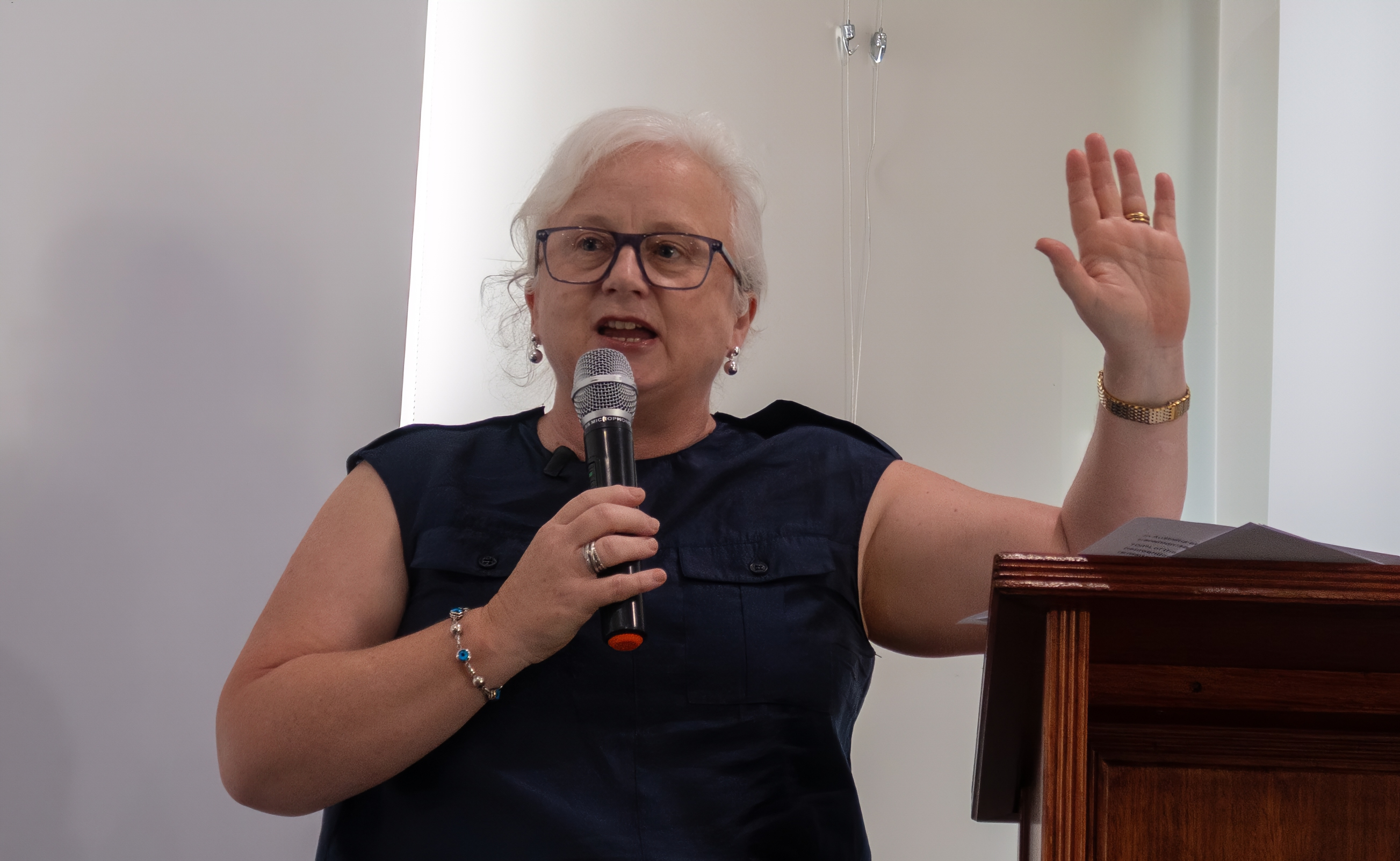
Occupational therapist and mental health clinician, Lisa Staples, spoke openly about her own journey.
She talked about how women can look after their wellbeing and psychological health, and how hormone changes during perimenopause and menopause can lead to depression or anxiety, as evidenced in a survey she referenced.
“Twenty-two percent of people thought life wasn’t worth living and 19 percent thought about ending their life,” Ms Staples said.
“The highest rate of suicide for women at this current time is between ages 40 and 45, so we’re going through a major change and it can have a big impact on our lives.”
Despite the sobering statistics, Ms Staples said there was hope, improvement and positive outcomes, as women are less prone to depression when hormones settle after menopause.
Neuroplasticity, or the brain’s ability to change and adapt over time, offers the opportunity to build new pathways post-menopause.
“The menopausal transition can include challenges to an individual’s identity concept, image, and values,” Ms Staples said.
“It can build a strong foundation and present opportunities for that next phase of a woman’s life – to actually re-evaluate who you are, what you want, what you’re willing to accept, and where you’re going forward,” she said.
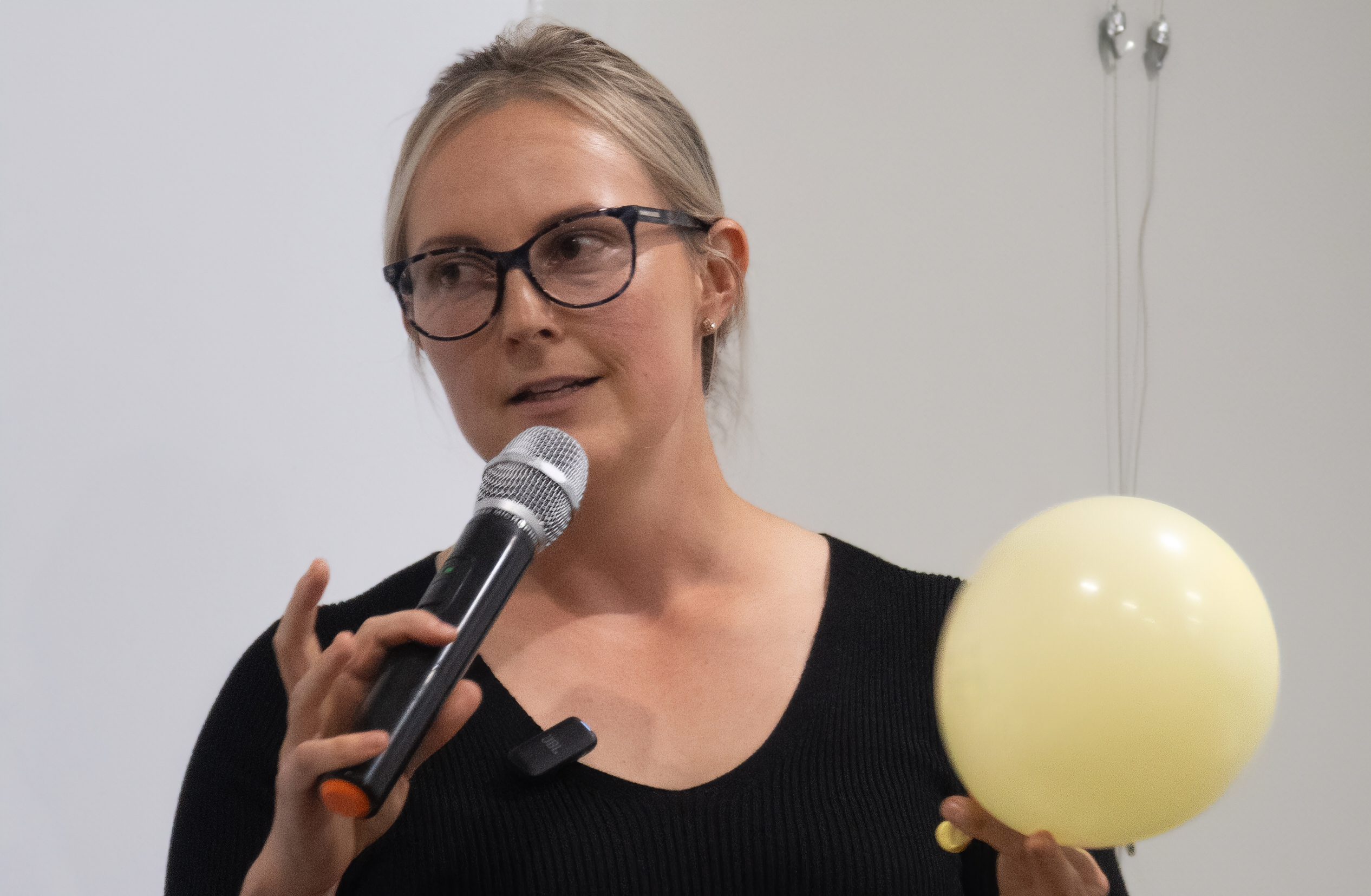
Dr Ashman encouraged women to consider menopause as a “second spring”, and an opportunity to adopt health-supporting habits.
“Many women may worry about weight gain during this time and try to restrict intake of some foods,” Dr Ashman said.
“In fact, our requirements for some nutrients increase during this period in our lives, so dietary changes should be considered carefully.”
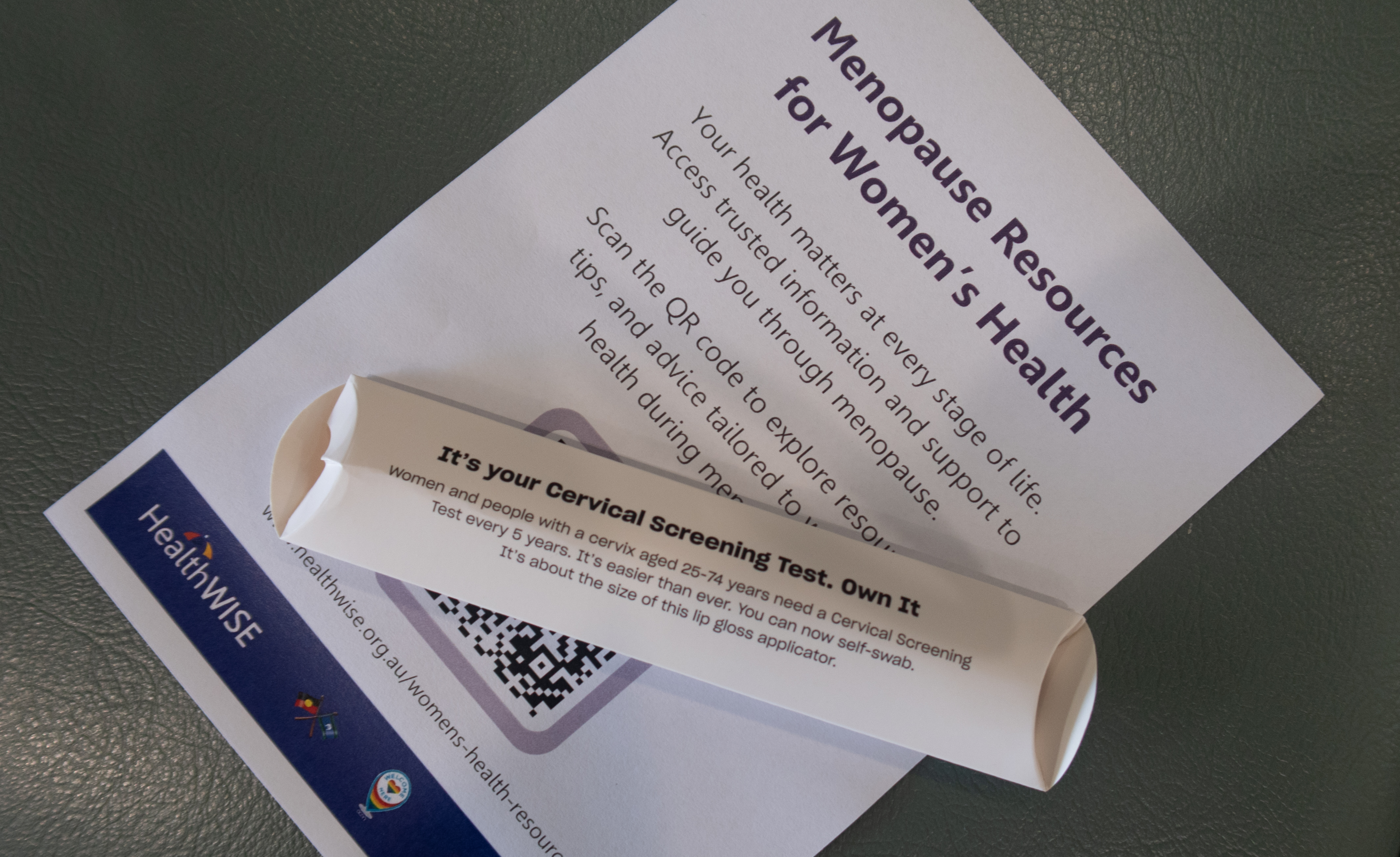
For more information on menopause and perimenopause, including self-assessment tools and lists of health professionals in local areas who are educated on the topic, visit Australasian Menopause Society.
Earlier this month, the society welcomed an announcement by the Commonwealth Government about Menopausal Hormone Therapies, extensive funding for menopause education and an extended menopause consultation time with General Practitioners.
From March 1, three commonly prescribed MHT products used to effectively treat some of the most common symptoms of the menopause – Estrogel Pro, Oestradiol and Progesterone – will be available through the Pharmaceutical Benefits Scheme. MHT is the best treatment for hot flushes.
Australasian Menopause Society board president, Dr Sylvia Rosevear, said the availability of these medicines on the PBS makes them more affordable and provides greater choice, based on need.
“The Australian Government has listened to the concerns of women across the country and subsequently taken this very positive step that supports and invests in women’s healthcare needs during menopause,” Dr Rosevear said.
“The addition of these medicines to the PBS will give women access to affordable, effective and available treatment options for menopausal symptoms.
“Considering symptoms for some are prolonged, this announcement is welcomed by both health professionals and consumers,” she said.