THE New South Wales Nurses & Midwives Association Moree branch president Deb Swan says a $20,000 sign-on bonus to entice midwives to relocate to rural, regional and remote areas is “a good thing” but falls short of other Australian States.
“Queensland offers this to any nurse going to rural areas and the pay is more as well,” Mrs Swan said.
“We need nurses in every department not just midwives. As for Moree, I can’t see it bringing any nurses to our hospital.
“The government just wants to put a band-aid on the problem.”
The scheme comes on the back of a series of rolling strikes by nurses and midwives seeking an across-the-board 15 per cent pay rise.
The next strike is scheduled for Tuesday, September 24 at three locations in NSW.
The NSWNMA says the government is refusing to bargain in good faith, ignoring PHS nurses and midwives’ calls for better pay and conditions.
“These justified and necessary improvements will help to rebuild and repair our public health services.
“Nurses and midwives will be on a 24-hour statewide strike beginning from the start of the morning shift on September 24 to demand the NSW government value our professions. Members will also come together at three huge rallies.
“It’s time the NSW government respected and valued the state’s largest female-dominated workforce.”


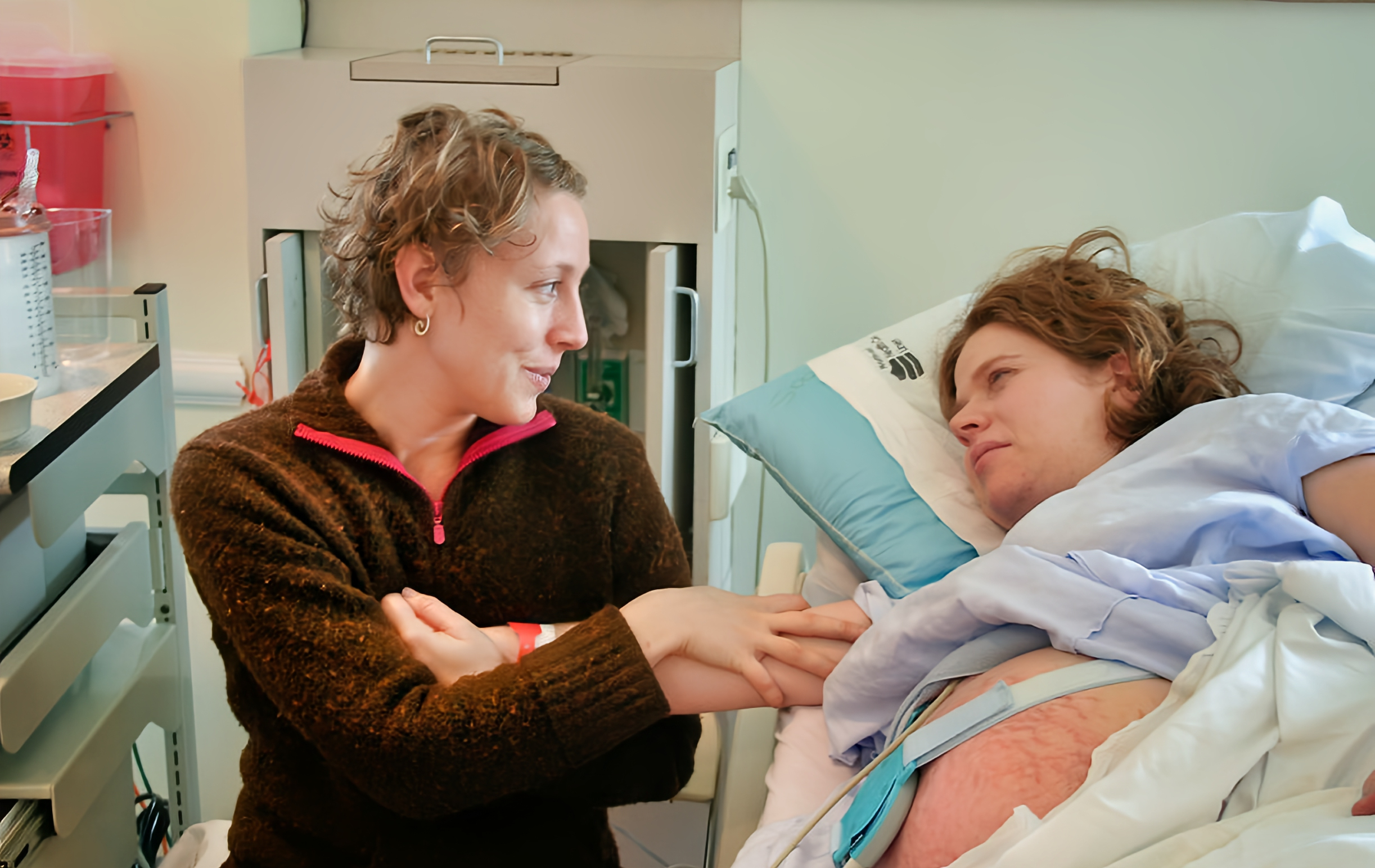
The trial, which forms part of the NSW Government’s Rural Health Workforce Incentive Scheme, will run for six months from September 30, 2024 to March 31, 2025, and is aimed at boosting the regional midwifery workforce to better support mothers, their babies, and families.
The one-off payment will be available for midwives relocating and starting new roles in Modified Monash Model level three to level seven facilities.
The Rural Health Workforce Incentive Scheme is supported by a broad suite of initiatives introduced by the Minns Labour Government to strengthen the state’s health workforce.
Minister for Health Ryan Park said the NSW Government was committed to attracting and retaining more healthcare workers to regional, rural and remote areas to ensure people living in these communities receive high-quality, timely care close to home.
“I’ve said this countless times, worker shortages in our regional, rural and remote communities is the biggest single challenge facing our health system,” Mr Park said.
“Midwives support the birth of almost 100,000 babies right across our state each year, regardless of where a family lives the importance of providing women, their partners and families with high quality, compassionate care cannot be underestimated.
“With this innovative trial, we are looking at new ways to fill critical vacancies in our regions so we can build a stronger and more supported regional health workforce.”